
The Office
Play The Office
The Office Screenshots










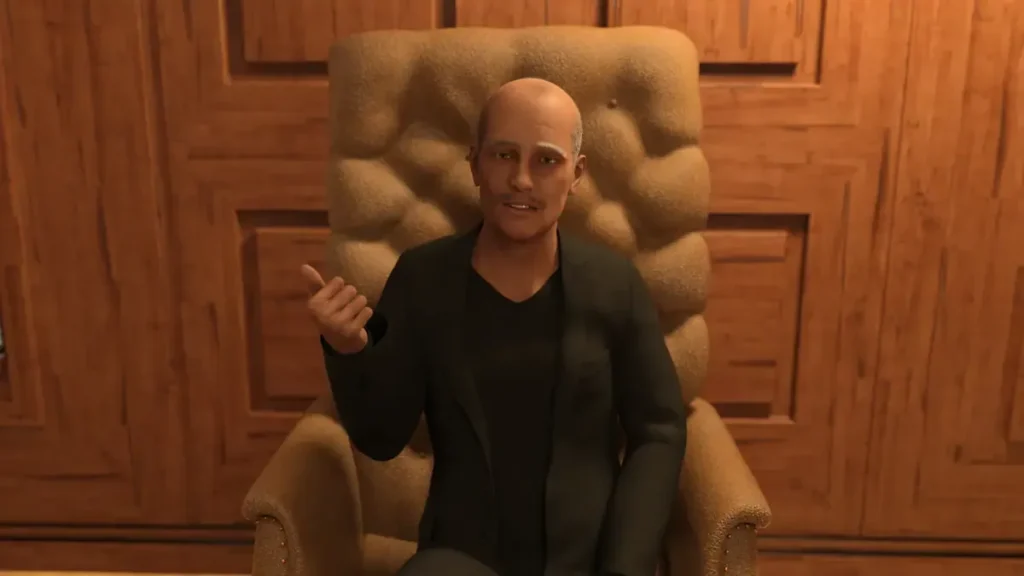















The Office review
Explore gameplay features, progression systems, and strategies for this unique simulation experience
The Office stands as a distinctive simulation game that combines workplace scenarios with character progression and resource management. This guide explores the core mechanics that define the experience, from skill development and item systems to location-based events and strategic decision-making. Whether you’re new to the game or looking to optimize your approach, understanding these fundamental systems will enhance your gameplay and help you navigate the various progression paths available. The game’s depth lies in how these interconnected systems create meaningful choices and long-term objectives.
Core Gameplay Mechanics and Systems
Alright, let’s get our hands dirty with what makes this simulation tick! 🎮 If you’ve ever wondered how to move from office newbie to a true master of your domain, understanding The Office game mechanics is your golden ticket. This isn’t about random clicks; it’s a layered, strategic system where every action feeds into your growth. Think of it like managing your own career, but with way more control and far fewer boring meetings.
At its heart, the experience is driven by a simple yet addictive gameplay loop explained. You capture, you accumulate, and you progress. But wrapped around that core are deep systems for shaping your character, equipping items that change your stats, and navigating events that pop up based on where you are. It’s this interconnected design that makes the progression feel so personal and rewarding. Let’s break it all down.
- Skills & Traits: Your character’s core abilities and personality, growing with every action.
- Wearable Items: Gear that modifies your stats and can even unlock new opportunities.
- Locations: Key settings like Home and the Office that host unique events.
- Scenarios: Special, situation-specific outcomes that test your developed skills and items.
Understanding the Progression Loop and Character Development
So, how do you actually “win” or, more accurately, thrive in this world? 🤔 The core gameplay loop explained here is beautifully straightforward: Capture -> Accumulate -> Develop -> Advance. You engage with the game’s elements (we’ll call them “resources”), gather them, and that gathering directly fuels your character progression system.
Here’s a personal anecdote: when I first started, I just clicked on everything randomly. My progress was slow and scattered. It wasn’t until I focused on a specific goal—like wanting to ace a certain type of office event—that I saw how the loop works. I deliberately targeted specific resources needed for that event. As I captured them, my relevant Skill quietly leveled up in the background. That higher Skill then made capturing those resources even easier next time. That’s the loop in action: a virtuous cycle where playing the game makes you better at playing the game.
This character progression system is dual-faceted. First, there’s the visible accumulation of resources—your in-game “bank account” of achievements. Second, and more crucially, is the invisible growth of your character’s capabilities through Skills and Traits. Every single action you take is logged. Are you repeatedly handling complex tasks? Your related Skill is creeping up. Are you consistently choosing diplomatic dialogue options? A corresponding Trait is taking root. The game remembers everything, weaving your playstyle directly into your avatar’s DNA.
Pro Tip: Don’t just capture resources mindlessly. Think about what kind of character you want to build. Your actions today are directly training your employee of tomorrow!
This brings us to the magic of location-based events. The game world isn’t static. Your Home is a place for rest and personal development, often triggering events related to creativity or stamina recovery. The Office, however, is where professional drama and opportunity unfold. By moving between these locations, you open yourself up to different random events, challenges, and scenarios. An event that pops up at the Office might require a high “Negotiation” skill, while a late-night Home event could benefit from “Creativity.” Your physical (or digital) location is a key trigger for progress.
Skills, Traits, and Leveling Systems Explained
This is where your character gets its soul. The skill leveling guide portion of our deep dive is all about understanding how your virtual self grows stronger, smarter, and more savvy. 📈
Skills are your measurable competencies—think “Digital Literacy,” “Project Management,” or “Client Relations.” They start at level 1 and grow through use. The beauty of The Office game mechanics here is the dual growth trigger:
- Player-Initiated Growth: This is the direct approach. You see a task that requires “Data Analysis.” You perform the task. Your “Data Analysis” skill gets a small chunk of experience. Simple.
- Event-Triggered Advancement: This is the game’s way of rewarding you for being prepared. A random location-based event fires at the Office—perhaps “The Printer Apocalypse.” You successfully navigate it because your “Problem-Solving” skill is high enough. The reward? A massive burst of experience for “Problem-Solving” and maybe even a related Trait. This means sometimes, the biggest leaps forward come from unexpected challenges.
Traits are different. They represent your character’s ingrained personality and habits, like “Meticulous,” “Charismatic,” or “Perfectionist.” Trait development mechanics are subtler. Traits often develop as a byproduct of consistent behavior. If you constantly choose precise, detailed options in events, the “Meticulous” trait might develop. Traits can unlock special dialogue options, influence how events play out, or provide passive bonuses to certain Skills.
Here’s a practical example from my own playthrough. I focused heavily on building the “Networking” skill by attending every office social event. After successfully navigating several party scenarios, my character developed the “Gregarious” trait. This trait then gave me a permanent 10% bonus to experience gained for the “Networking” skill! The systems are constantly talking to each other.
To visualize how some core systems interact, check out this table:
| System | What It Does | How It Grows | Key Interaction |
|---|---|---|---|
| Skills | Governs success in specific tasks and events. | Direct use + Successful event completion. | High skill levels unlock new event options and scenarios. |
| Traits | Defines character personality & provides passive boosts. | Develops from consistent choice patterns. | Can modify skill gains or trigger unique scenario paths. |
| Scenarios | Special multi-stage event chains with big rewards. | Triggered by location, skill checks, and item use. | The ultimate test of your built character and inventory. |
The best skill leveling guide advice I can give is this: specialize early, diversify later. Pick one or two Skills that align with your desired playstyle (e.g., a “Leader” build focusing on Management and Oratory). Hammer those through targeted actions. This will allow you to tackle tougher events sooner, which in turn provide the big experience payouts that let you start leveling other Skills more quickly later on.
Item Management and Equipment Effects
You’re not just a mind in a chair; you can dress for the success you want! 👔 This is where strategy gets tactile. The item system, especially wearable items effects, adds a fantastic layer of depth to your character progression system.
Wearable Items are clothing, accessories, and gadgets that directly modify your character’s statistics. A sharp “Executive Blazer” might boost your Management skill, while “Comfortable Sneakers” could increase your stamina recovery rate at Home. You find these items as rewards for completing events, scenarios, or hitting certain progression milestones.
The management part is crucial. You have a limited number of equipment slots. Do you wear the tie that gives a +5 to Client Meetings, or the quirky pin that boosts Creativity but lowers Formality? You must build a “loadout” that matches your goals for the upcoming play session.
Now, let’s talk about a game-changing feature: Item Locking. When you find an item that perfectly fits your build, you can “lock” it. This makes it a permanent part of your equipped gear, freeing you from constantly swapping it in and out. Early on, I locked a “Quality Headphones” item that gave a bonus to my Focus skill. It was always on, always helping, which was invaluable. Locking is a commitment, so choose items with strong, universally useful bonuses for your strategy.
This leads us to one of the most strategic aspects: progression gating. This isn’t a negative! It’s a brilliant gameplay loop explained mechanic that forces interesting choices. Some Scenarios or high-level location-based events have prerequisites. The description might say: “Requires ‘Formal Attire’ to be worn” or “Accessible only with ‘Tech Wear’ equipped.“
Personal Insight: This is where hoarding random items bites you. I once spent a week stuck because a promotion Scenario required a “Silk Tie,” and I had sold one earlier for quick resources. I had to backtrack and specifically farm an event that could drop it. Lesson learned!
Here’s a practical example of how wearable items can lock progression behind specific equipment requirements. Imagine you see a lucrative Scenario called “The Boardroom Pitch.” It’s available, but greyed out. The tooltip reads: “Requirement not met: ‘Professional Suit’ not equipped.” You own a “Comfy Hoodie” (+Stamina) and “Trendy Jacket” (+Creativity), but no “Professional Suit.” Your high “Oratory” skill is irrelevant. To even attempt this progression path, you must first acquire the required wearable item, likely by excelling at lower-tier Office events. This creates a short-term goal that feeds directly into the long-term gameplay loop explained.
Managing your inventory isn’t just about stats; it’s about holding onto key items that act as keys to future content. The wearable items effects are therefore twofold: they provide immediate statistical advantages and they unlock new horizons for your progression.
By mastering the interplay between your growing Skills, your developing Traits, and your carefully curated inventory of Items, you take full control of your journey. You’re no longer just reacting to The Office game mechanics; you’re orchestrating them. You’ll move from simply participating in location-based events to dictating their outcomes, building the unique office legend you were always meant to be. Now get out there and start building your empire, one captured resource and smart equipment choice at a time! 🏆
The Office game offers a complex web of interconnected systems that reward strategic thinking and experimentation. From mastering the fundamental mechanics of skill development and item management to optimizing office events and cross-mode resource allocation, success requires understanding how each system influences your progression path. The game’s depth becomes apparent when you recognize how book reading unlocks new events, how stat requirements gate content, and how different modes can be leveraged to fund advancement elsewhere. Whether you’re pursuing specific content unlocks or maximizing earnings, the strategies outlined here provide a foundation for effective gameplay. Take time to experiment with different approaches, track your progress through various systems, and don’t hesitate to adjust your strategy based on the results you’re seeing. The most rewarding experiences come from discovering how to leverage these mechanics in ways that align with your personal progression goals.