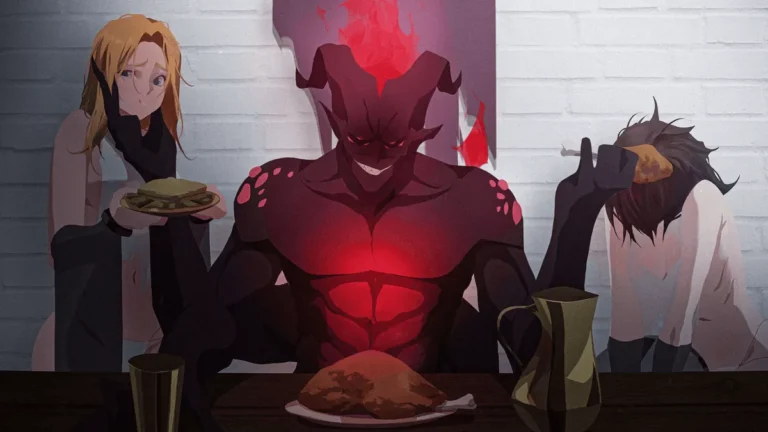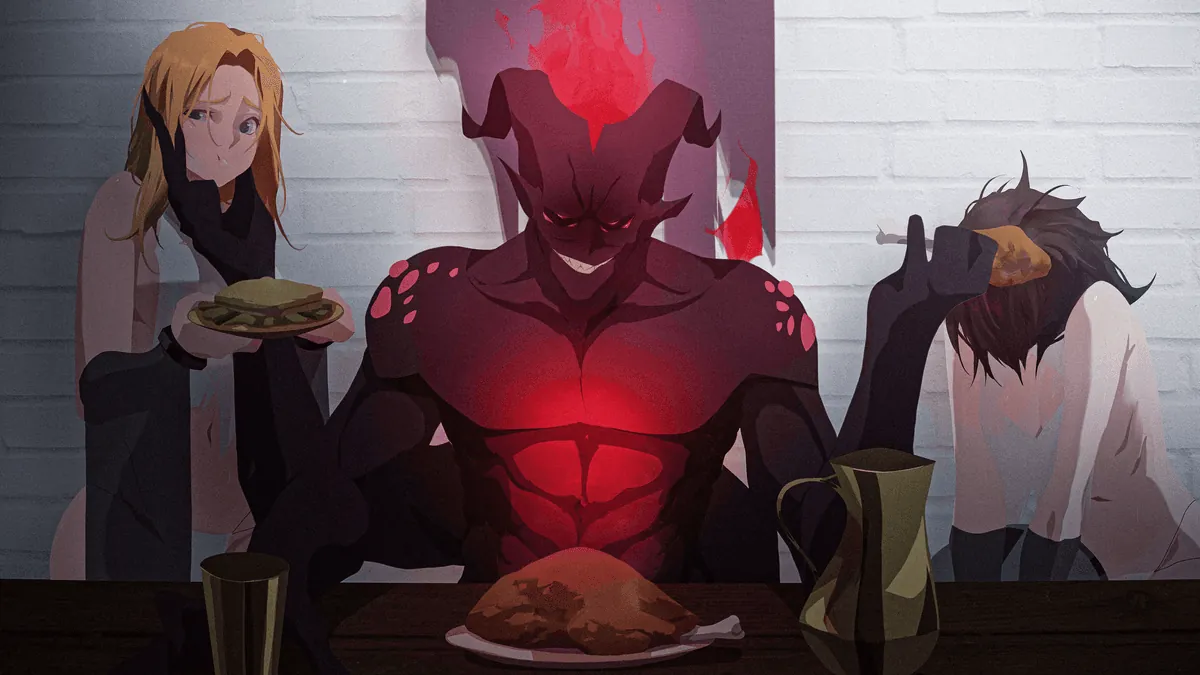
The Survival of Sarah Rose
Play The Survival of Sarah Rose
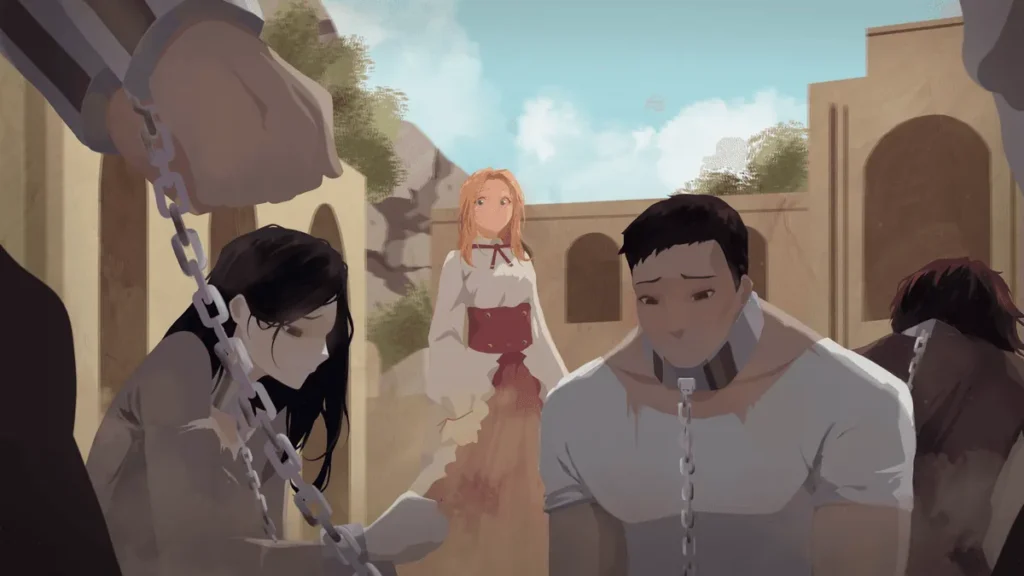
The Survival of Sarah Rose Screenshots



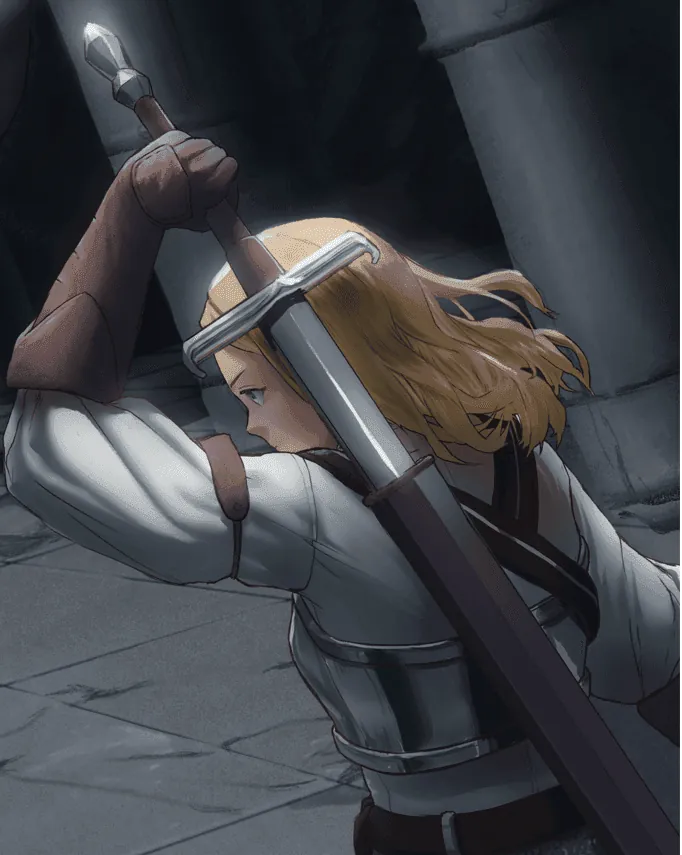









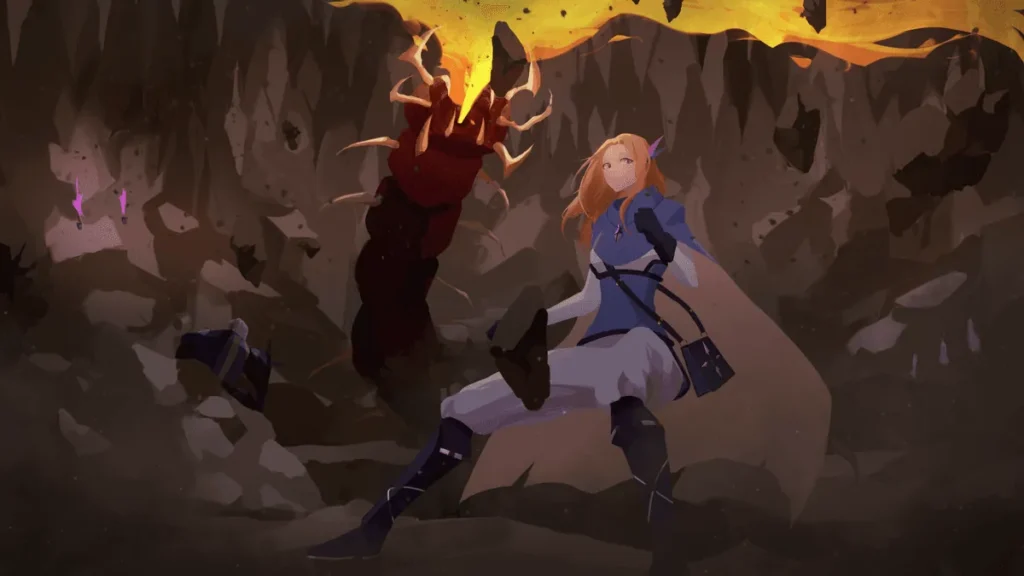
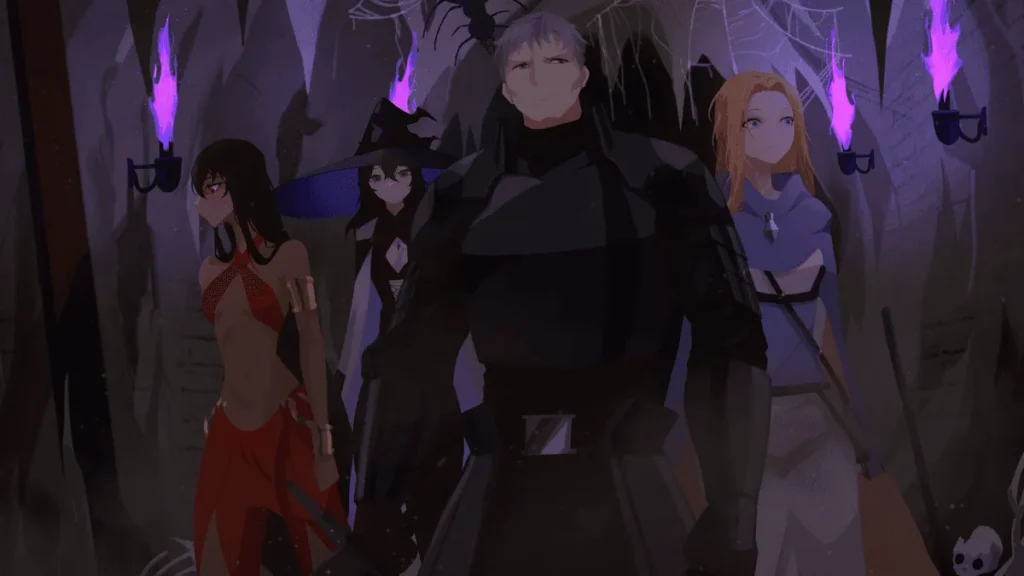

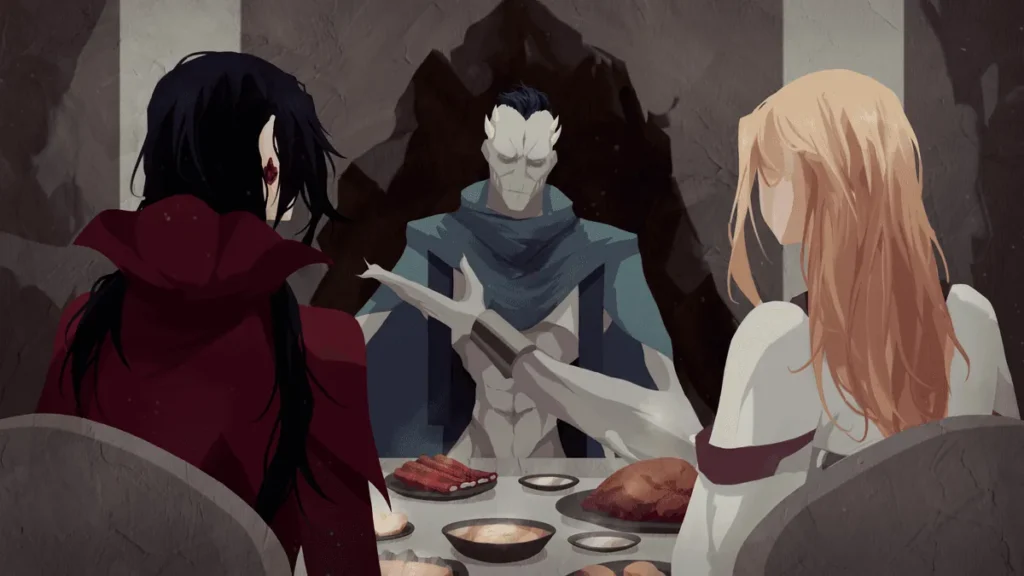
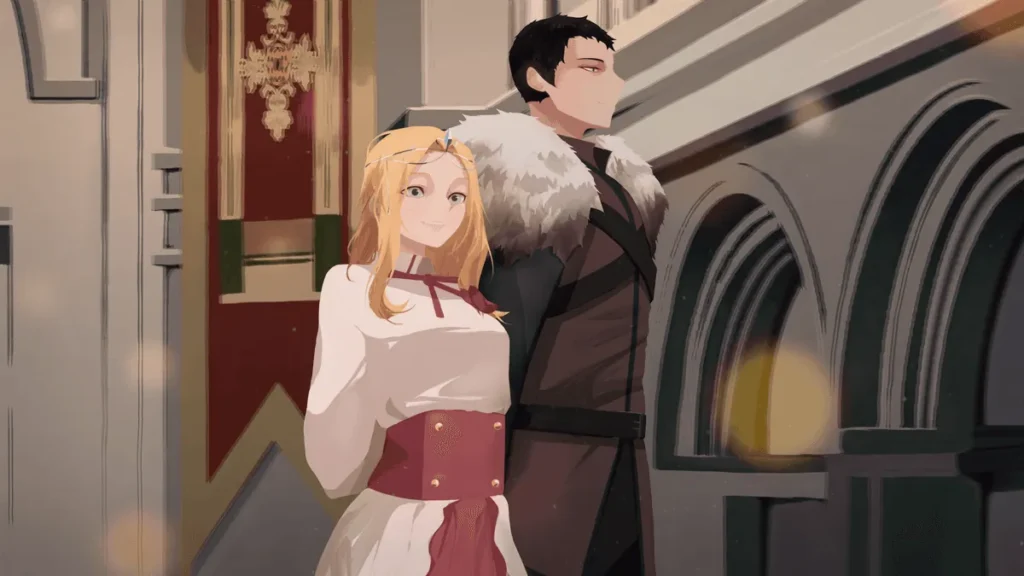










The Survival of Sarah Rose review
A deep dive into the narrative-driven visual novel that blends fantasy storytelling with player choice
The Survival of Sarah Rose stands out as a narrative-focused visual novel that has captured the attention of players who value compelling storytelling alongside engaging gameplay. This game offers multiple routes, character interactions, and meaningful choices that shape Sarah’s journey through a rich fantasy world. Whether you’re interested in the mage route, warrior path, or crime storyline, the game delivers interconnected narratives where your decisions genuinely impact the story’s direction. Players consistently praise the depth of character development and world-building, making it a standout title for those seeking immersive, choice-driven experiences.
Understanding The Survival of Sarah Rose: Core Gameplay & Story Elements
So, you’ve downloaded The Survival of Sarah Rose, expecting maybe a few pretty pictures and a linear tale, but now you’re staring at a dialogue option that feels less like a simple chat and more like a moral crossroads with world-altering consequences. 😮 Where do you even begin? If you’re anything like I was on my first playthrough, you’re probably equal parts thrilled and terrified of clicking the wrong thing.
Let me tell you about my first big mistake. Early on, you meet a wounded forest spirit. The game presented me with a classic “mage route warrior path storyline” kind of choice: use a risky, untested healing charm (the magical approach) or offer practical, physical aid with herbs and bandages (the pragmatic path). Thinking I was being clever, I chose a third, snarky option to demand information first. Big mistake. That spirit didn’t just vanish; it cursed my progress, making entire sections of the forest hostile for the rest of that run. It was a brutal, brilliant lesson: in this choice-driven narrative game, every decision is a brick in the road you’re building, and some paths get washed away for good.
This isn’t just a story you read; it’s a story you build, and that’s the heart of its magic. Let’s dive into what makes this experience so uniquely captivating.
What Makes This Visual Novel Unique? ✨
At its core, The Survival of Sarah Rose asks one compelling question: Who do you become when everything is taken from you? The game wastes no time—Sarah’s quiet life as a scribe is obliterated in a prologue that’s less a tutorial and more an emotional gut-punch. You’re not guiding a predefined hero; you’re sculpting a survivor in real-time.
What sets it apart is the profound depth of its interactive storytelling mechanics. Many games offer the illusion of choice, where a binary option simply changes a line of dialogue later. Not here. The Survival of Sarah Rose gameplay is built on a “choice cascade” system. An early, seemingly innocuous decision about who to trust in Chapter 1 can determine which allies are even available to you in Chapter 4, which in turn unlocks or locks entire story branches. It creates a genuine sense of ownership over the narrative.
The game masterfully blends traditional visual novel elements with light resource management and relationship-building systems that feel organic. Your choices don’t just affect plot flags; they directly influence Sarah’s stress levels, her rapport with key characters, and even the resources she has at her disposal for critical events. Choosing to spend an evening practicing sword forms might boost your combat proficiency for an upcoming “warrior path” event, but at the cost of missing a crucial conversation that could have deepened a political alliance. This constant, meaningful trade-off is what fuels the Sarah Rose character development from a frightened refugee into whatever you guide her to become—a cunning diplomat, a relentless warrior, or a feared arcane scholar.
Multiple Routes and Character Paths Explained 🧭
The true genius of this fantasy visual novel with multiple endings lies in its central pathway system. You aren’t just picking a “class” at the start. Instead, your cumulative choices, especially in key moral and strategic dilemmas, gently funnel you toward one of three primary narratives. Each route fundamentally recontextualizes Sarah’s journey, her relationships, and the world’s fate.
Think of it less as switching tracks and more as nurturing a seed. The choices you make are the water and sunlight that determine what kind of tree grows. The game beautifully respects your agency by making these paths feel earned, not just selected from a menu.
To help you visualize the scope, here’s a breakdown of the core journeys you can experience:
| Route Name | Main Character Focus | Story Themes | Unique Features |
|---|---|---|---|
| The Mage’s Resonance | Unlocking latent magical power, seeking ancient knowledge, understanding the world’s arcane fabric. | Power & Responsibility, The Corruption of Knowledge, Sacrifice for Greater Understanding. | Spell-crafting mini-games, dialogues with ancient spirits, managing “arcane instability” as a resource. |
| The Warrior’s Resolve | Mastering physical combat, building a militia, leading from the front through sheer force of will. | Honor in Survival, The Burden of Leadership, Protecting a Found Family. | Tactical battle planning sequences, training allies to improve squad efficiency, fortress defense scenarios. |
| The Shadow’s Bargain | Navigating criminal underworlds, mastering espionage and manipulation, using any means necessary. | Moral Ambiguity, The Price of Information, Freedom vs. Control. | Social stealth persuasion challenges, a dynamic “suspicion” meter with factions, black market management. |
My personal favorite, the mage route warrior path storyline contrast, is especially stark. On the Mage’s Resonance, discovering a ruined library is a moment of awe and potential; you might spend days there, unlocking forgotten lore that changes your understanding of the central conflict. On the Warrior’s Resolve, that same library is primarily a defensible position—its knowledge is secondary to its stone walls and single entrance. The location is the same, but its narrative and gameplay purpose are transformed by Sarah’s developing identity.
These visual novel routes and choices also dramatically alter your relationships. A character like Kaelen, a seasoned mercenary, might view a Mage-route Sarah with wary suspicion, seeing her magic as an unpredictable threat. On the Warrior’s path, he becomes a potential mentor and a cornerstone of your strategy. On the Shadow’s route, he could be a ruthless rival or a valuable, if untrustworthy, business partner. This ensures that every playthrough feels fresh, as you’re not just seeing new events, but seeing familiar characters in a completely new light.
How Player Choices Shape Your Experience 🎮
This is where the rubber meets the road in The Survival of Sarah Rose gameplay. The game’s philosophy is that a choice isn’t meaningful unless it has a cost, a consequence, or alters a relationship. Let’s break down how it achieves this.
First, the system goes far beyond simple “Character A likes you +5 points.” Relationships are multidimensional. You might have high “Trust” with a character but low “Respect,” leading to them following your orders reluctantly. Or you might have high “Affection” but low “Honesty,” creating a romantic subplot fraught with tension and secrets. These hidden metrics determine not only who will stand by you in a crisis but how they will help—or if they’ll betray you.
Pro Tip: Don’t reload immediately after a “bad” choice! Some of the most profound Sarah Rose character development comes from dealing with the consequences of failure or conflict. A fractured relationship can lead to a more powerful redemption arc or open a narrative door you never expected.
Let’s get into a concrete example. Imagine a mid-game scenario where you’ve captured a spy from a hostile faction.
- Choice A (Mage Route Lean): “I will peer into your mind to find the truth, no matter the cost to you.” This establishes Sarah as a powerful and terrifying figure. It will efficiently extract the info, boosting your progress toward a specific goal. However, more compassionate party members will be horrified, potentially leaving your group. The spy is left broken, but their faction now fears you specifically, changing how they interact with you later—perhaps they send assassins instead of diplomats.
- Choice B (Warrior Path Lean): “You will face a trial of combat. Win, and go free. Lose, and answer our questions.” This builds Sarah’s reputation for brutal fairness and honors a warrior’s code. It earns massive respect from martial characters and might even convince the spy of your honor, turning them into a potential informant. However, it risks losing critical information if they win, and more pragmatically-minded allies will see it as a foolish risk.
- Choice C (Shadow’s Bargain Lean): “Let’s make a deal. Your information for your life, and a pouch of gold.” This paints Sarah as a shrewd, pragmatic operator. It secures the info without violence and establishes a potential underworld connection. Yet, it depletes your resources, and honorable characters will see it as corrupt, questioning your morals.
This single decision ripples outward. The spy’s faction’s behavior changes. Your party’s internal dynamics shift. And, most importantly, Sarah’s view of herself is cemented a little more. This is the essence of a choice-driven narrative game—you are constantly authoring her soul.
This granularity makes replayability not just a bonus, but the core experience. Your second playthrough isn’t about skipping text to see a different ending cutscene; it’s about living a parallel life. You’ll encounter different NPCs, access unique locations, and piece together the world’s lore from entirely new angles. That ally who died heroically in your first run? In your next, they might become your bitter enemy, and you’ll learn tragic backstory details that were never relevant before.
The interactive storytelling mechanics ensure you’re always engaged, always thinking. The balance between lush, descriptive story segments and these tense, choice-driven interactions is perfectly paced to make you feel like you’re both reading a great novel and actively participating in it. The romantic elements are woven seamlessly into this fabric—they are not isolated “dating sim” segments but natural progressions of trust, shared values, and choices made under fire. Who you can grow close to, and the nature of that closeness, is deeply tied to the path you’re walking.
In the end, The Survival of Sarah Rose understands that the most powerful fantasy isn’t just about fireballs and epic battles; it’s about agency. It’s about seeing the direct, tangible result of your will upon a story and a character. Every time you click, you’re not just selecting dialogue—you’re surviving, you’re adapting, and you’re discovering, piece by piece, who Sarah Rose will be. And that discovery, different every single time, is an adventure that stays with you long after the final screen fades to black. 🏹📖✨
The Survival of Sarah Rose delivers a compelling experience for players seeking narrative depth in their visual novels. The game’s strength lies in its ability to balance meaningful storytelling with player agency, offering multiple routes that feel genuinely distinct rather than superficial variations. Sarah’s character journey, whether through the mage, warrior, or crime paths, showcases thoughtful character development where her transformation is perceived differently by NPCs and companions based on your choices. The intersecting storylines and character encounters add replay value, encouraging players to explore different narrative branches. For those looking for a visual novel that respects both story quality and player choice, The Survival of Sarah Rose stands as a notable entry in the genre. If you’re interested in narrative-driven games with meaningful consequences, this title deserves your attention.