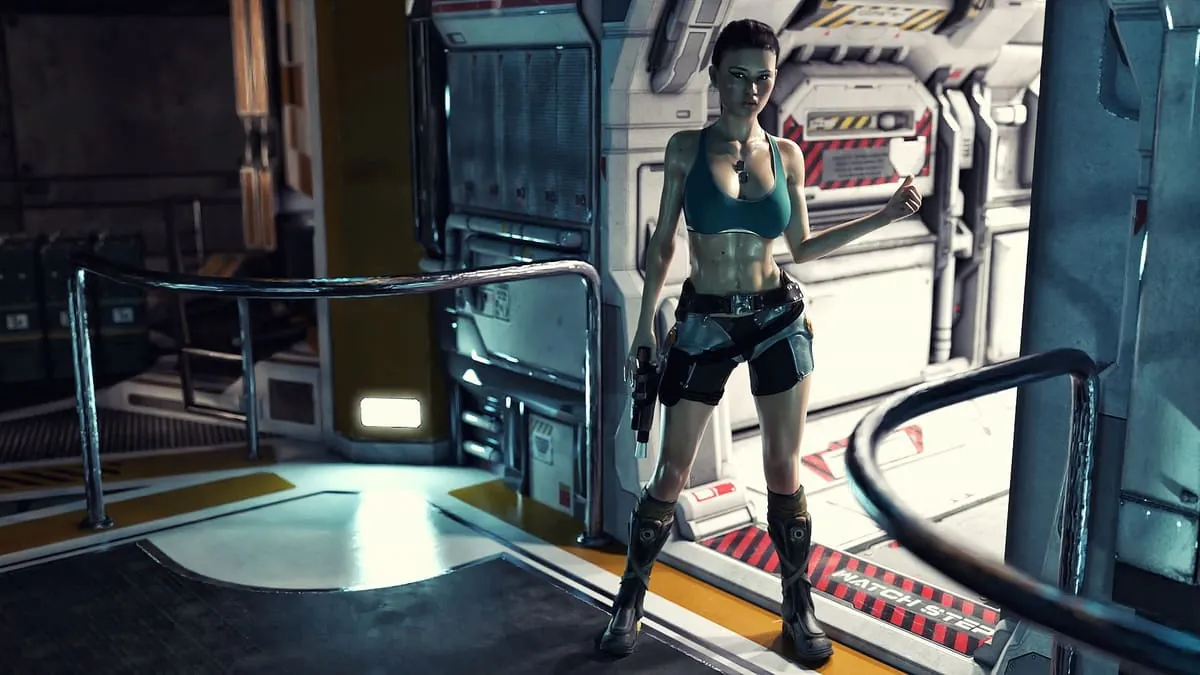
Play Stellar Dream
Stellar Dream Screenshots










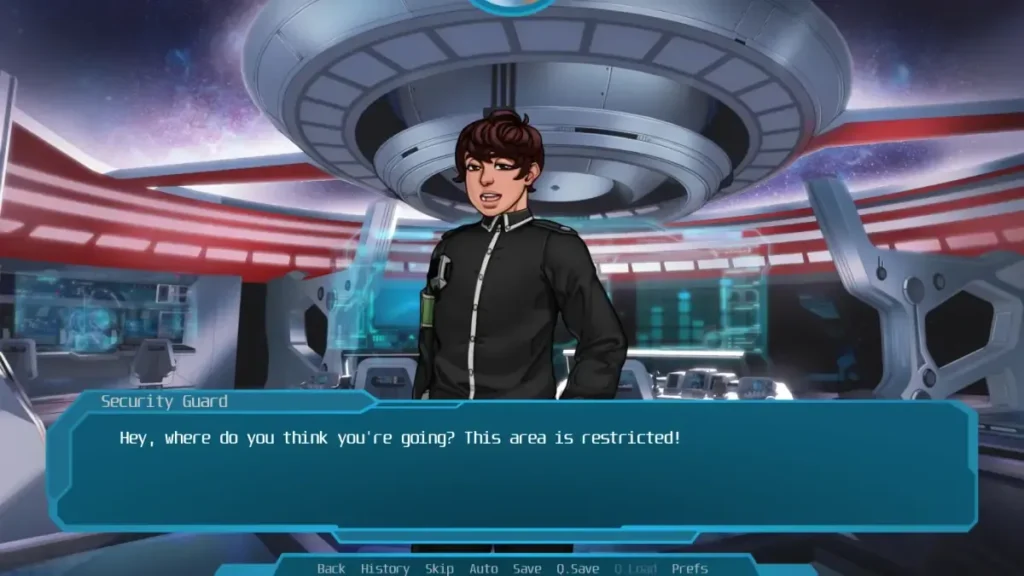
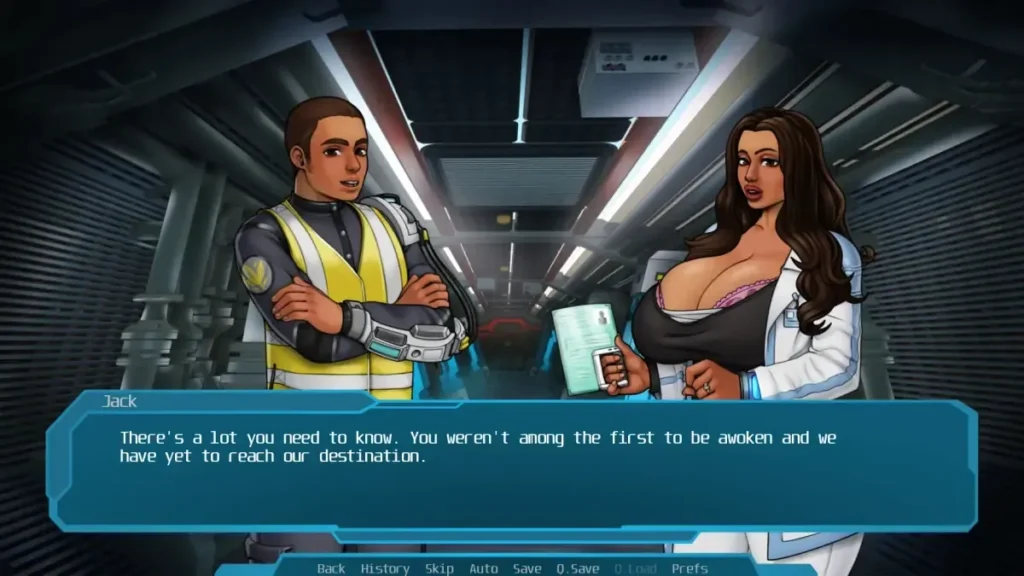
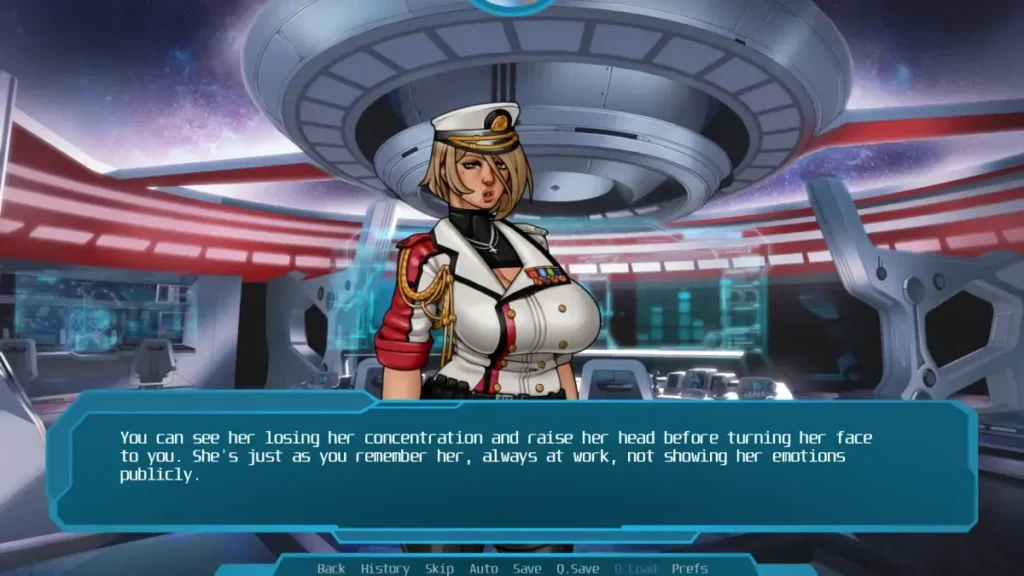

Stellar Dream review
Master the immersive sci-fi visual novel with complete mechanics breakdown and character relationship tips
Stellar Dream stands as a captivating sci-fi visual novel that blends rich storytelling with strategic gameplay mechanics. Players board a colossal colony ship on a desperate mission to save humanity by exploring alien worlds, managing resources, and building relationships with over 10 unique characters. The game’s core appeal lies in its branching narrative system where every choice—from dialogue selections to resource allocation—shapes your hero’s journey through either romance or corruption paths. Whether you’re new to the experience or returning for another playthrough, understanding the game’s intricate systems will help you unlock its full potential and discover the multiple endings that await.
Core Gameplay Mechanics and Systems
Alright, captain. Let’s get one thing straight from the jump: Stellar Dream is more than just a visual novel. It’s a living, breathing starship simulation where every choice you make sends ripples through the cosmos and the hearts of your crew. I learned this the hard way on my first playthrough when I accidentally used all our medical supplies to bribe a shady merchant for a pretty but useless crystal. My engineer hasn’t looked at me the same since. 😅
Mastering this game means understanding its intricate Stellar Dream gameplay mechanics. It’s a beautiful dance between managing your ship, deepening bonds, and navigating the strange dreamscapes that give the game its name. Forget just clicking through dialogue—you’re the commander of the Stardrifter, and every system, from oxygen levels to crew morale, is in your hands.
Understanding the Central Gameplay Loop
Think of your daily routine aboard the Stardrifter as a delicate balancing act. 🚀 The core loop is a masterclass in resource management strategy, and it goes something like this:
-
Morning Briefing & Ship Management: Your day starts on the bridge. You’ll check vital systems (power, oxygen, hull integrity), review any scanner data for resource nodes or anomalies, and assign crew to tasks. This is where you set the stage. Will you order a deep system scan for resources, or keep power diverted to life support to save energy?
-
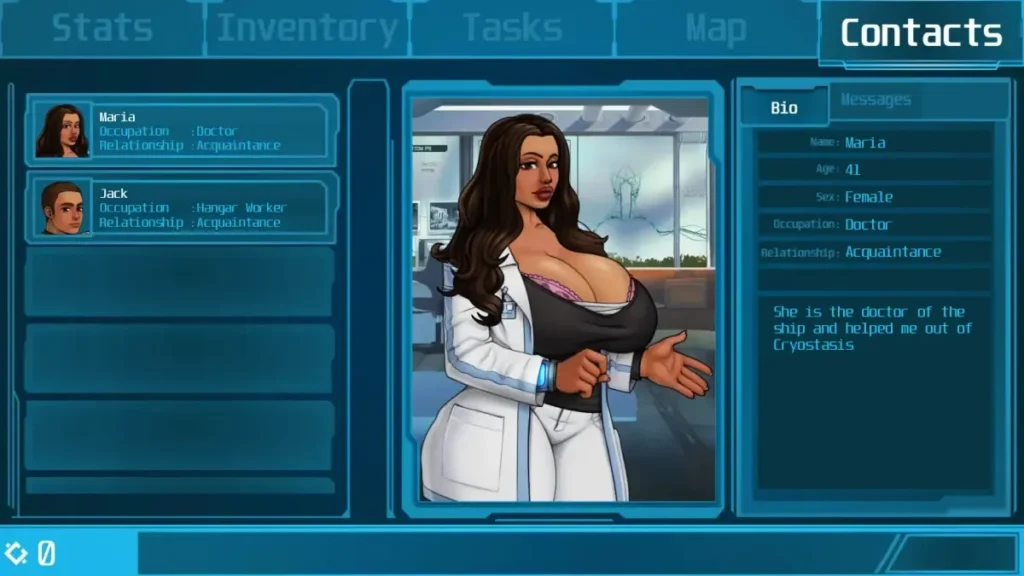
Exploration & Interaction: This is the heart of character relationship building. You’ll explore the ship’s decks, encountering your crew in various states. Maybe your pilot is stressed about navigational data, or your scientist has made a breakthrough. Here, you engage in conversations filled with Stellar Dream choices and consequences. A simple offer to help can unlock a personal quest, deepening your bond and unlocking new narrative branches.
-
The Dream Phase: When your character sleeps, the dream-shifting ability gameplay begins. This isn’t just a cutscene; it’s a customizable puzzle and narrative tool. You can subtly shift elements of the dreamscape, which directly influences your character’s mental state and can unlock hidden memories or premonitions that affect your waking world options. I once used it to calm a stormy dream-sea, which the next day gave me a unique, peaceful dialogue option with a crewmate who was having nightmares.
-
Consequence Integration: The game doesn’t wait for a chapter end to deliver fallout. Your choices—how you allocated resources, what you said, how you shaped your dreams—immediately feed back into the loop. A failed engineering check might mean a system breaks down later, consuming precious parts to fix. A harsh word might close off a dialogue thread for good.
This loop creates an incredible sense of immersion. You’re not just watching a story; you’re living it, decision by decision, shift by shift.
Skill Trees and Resource Management
Your effectiveness in that core loop is governed by two intertwined systems: your personal capabilities and your ship’s health. Let’s break them down.
The Three Pillars: Your Skill Trees
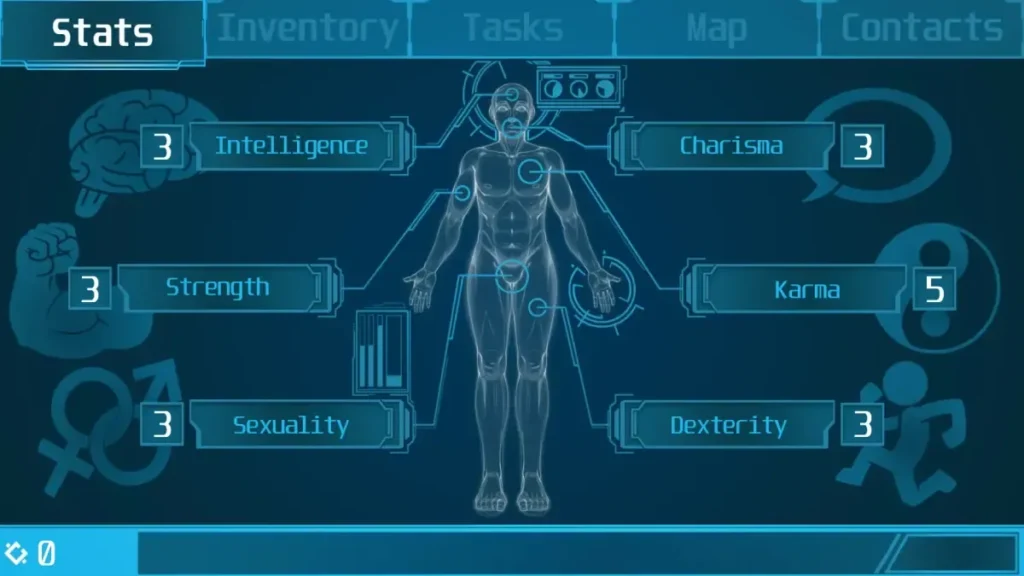
Your character grows through three distinct skill trees Stellar Dream offers, each representing a different aspect of your command style:
- Diplomacy (The Heart): This tree is all about social acuity, empathy, and leadership. Skills here improve your success in calming tense situations, gaining extra information from conversations, and boosting overall crew morale. A high Diplomacy skill might let you resolve a conflict without spending unity resources.
- Intellect (The Mind): Your analytical and technical prowess. Investing here improves your efficiency with the ship’s scanner, lets you repair systems with fewer materials, and unlocks deeper analysis of dream anomalies. It’s crucial for optimizing your resource management strategy.
- Resilience (The Body): This isn’t just about strength; it’s about endurance, willpower, and hands-on capability. Skills here increase your carry capacity for salvaged parts, reduce the physical toll of certain actions, and can even grant unique intimidation options in dialogue.
Personal Insight: Don’t try to be a master of all three early on. I focused heavily on Intellect my first time, which was great for keeping the ship running but left me emotionally clumsy with the crew. Specialize based on the path you want to walk, but sprinkle a few points into a secondary tree for flexibility.
Managing Your Lifeline: Resources
Resources in Stellar Dream are scarce and precious. They fall into a few key categories:
- Ship Resources: Power Cells, Nanite Paste, Spare Parts. These keep the Stardrifter flying. You’ll find them by using your scanner on asteroids, derelicts, and planetary surfaces during story events.
- Unity: This abstract resource represents crew morale and cohesion. It’s spent on group activities, resolving major disputes, and is passively generated by positive character relationship building.
- Personal Resources: Items like Stimulants (for dream-shifting) or Cultural Artifacts used as gifts. These are often found in dreams or as rewards for side quests.
The strategic tension is constant. Do you spend Spare Parts to upgrade the med-bay (a long-term morale boost), or hoard them for inevitable emergency repairs? Do you use your last Stimulant to delve deeper into a crewmate’s psychic dream, or save it for a critical story moment? There’s no “right” answer, only your answer, and the game remembers.
Romance vs. Corruption Paths Explained
This is where Stellar Dream truly shines and where your Stellar Dream choices and consequences carry the most weight. The game presents you with a fundamental narrative axis: the romance and corruption paths. These aren’t simple “good vs. evil” sliders. They represent profound philosophical approaches to your journey and relationships.
The Romance Path: Connection and Harmony ❤️
This path is about fostering genuine trust, empathy, and mutual support. It’s not solely about romantic love (though that’s a beautiful part of it); it’s about building a true family among the stars.
* Dialogue Choices: You’ll choose options that are open, vulnerable, supportive, and collaborative. You listen more than you command.
* Character Quests: These often involve helping crewmates overcome personal fears or past traumas through understanding and shared experience.
* Resource Allocation: You’ll invest resources in group activities, improving communal spaces on the ship, and gifts that have sentimental rather than material value.
* Outcome: The story culminates in themes of unity, sacrifice for the greater good, and the power of collective hope. Your endings are bittersweet but filled with warmth and connection.
The Corruption Path: Power and Control ⚫
This path is about embracing a more ruthless, pragmatic, and self-interested philosophy. You seek to understand and master the cosmic forces around you, including the hearts and minds of your crew.
* Dialogue Choices: You select options that are manipulative, commanding, secretive, or that exploit a crewmate’s weaknesses to bind them to you.
* Character Quests: You might “help” a crewmate by encouraging them to embrace a darker aspect of themselves, making them more powerful but also more dependent on your guidance.
* Resource Allocation: Resources are hoarded or spent on personal upgrades, surveillance systems, or tools of control. Gifts are strategic, designed to indebt the receiver to you.
* Outcome: The story leads toward themes of absolute power, transformation, and a chilling, magnificent isolation. Your endings are grand, but often lonely, as you ascend to a new state of being.
You can blend these paths, creating a complex, nuanced character. But leaning heavily in one direction unlocks unique story scenes, abilities, and final narrative branches.
| Aspect | Romance Path Focus | Corruption Path Focus |
|---|---|---|
| Dialogue Choices | Empathetic, Vulnerable, Supportive, Cooperative | Manipulative, Commanding, Secretive, Exploitative |
| Character Quests | Healing past trauma, building trust through shared vulnerability | Embracing dark potential, forging bonds through shared secrets/power |
| Resource Allocation | Communal spaces, group activities, sentimental gifts | Personal upgrades, control systems, strategic/indebting gifts |
| Ultimate Outcomes | Themes of unity, collective sacrifice, hopeful legacy | Themes of personal ascension, absolute control, transformative power |
The Essential Gameplay Tip List 🛠️
To wrap this mechanics deep-dive, here are my hard-earned pieces of actionable advice:
- Scanner is Your Best Friend: Use it everywhere, and upgrade your Intellect tree to enhance it. It finds hidden resources, foreshadows story events, and can even reveal hidden dialogue triggers on the ship.
- Save Like a Paranoid Archivist: The Stellar Dream choices and consequences system is relentless. Create a new save file at the start of every major conversation and before every dream sequence. You’ll thank me when you want to explore a different branch without losing 10 hours of progress.
- Stat Allocation Priority: Early on, focus on one primary skill tree that matches your desired path (Diplomacy for Romance, Intellect/Resilience for Corruption). Put at least 3-4 points into your secondary tree by mid-game to handle skill checks. Never completely neglect any one tree.
- Dream-Shifting is a Tool, Not a Toy: The dream-shifting ability gameplay consumes rare resources. Use it deliberately to unlock specific memory fragments or influence a crewmate’s subconscious when you’re stuck in a relationship rut.
- Talk to Everyone, Every Day: Character relationship building happens in small moments. Even a “good morning” can sometimes trigger a new piece of backstory or a small quest.
- Hoard Generic Resources, Spend Personal Ones: Be very stingy with Ship Resources (Spare Parts, etc.). Be more generous with Personal Resources (like specific gifts for crewmates); they exist to be used to open doors.
Stellar Dream delivers a compelling blend of strategic gameplay, meaningful narrative choices, and stunning visual presentation that sets it apart in the visual novel genre. From mastering the core gameplay loop and understanding the romance versus corruption paths to optimizing your character stats and discovering hidden story elements, the game rewards both careful planning and experimental playstyles. The branching narrative system with hundreds of variations and multiple endings ensures that each playthrough feels fresh and unique, encouraging players to explore different character relationships and story paths. Whether you’re drawn to the diplomatic intrigue of establishing relations with alien civilizations, the emotional depth of character development, or the strategic challenge of resource management, Stellar Dream offers something for every player. By applying the strategies and tips covered in this guide, you’ll unlock the full potential of your journey aboard the Stardrifter and experience the rich, immersive universe that has captivated players worldwide. Start your adventure today and discover why Stellar Dream continues to stand out as a remarkable achievement in interactive storytelling.