
Randel Tales
Play Randel Tales
Randel Tales Screenshots









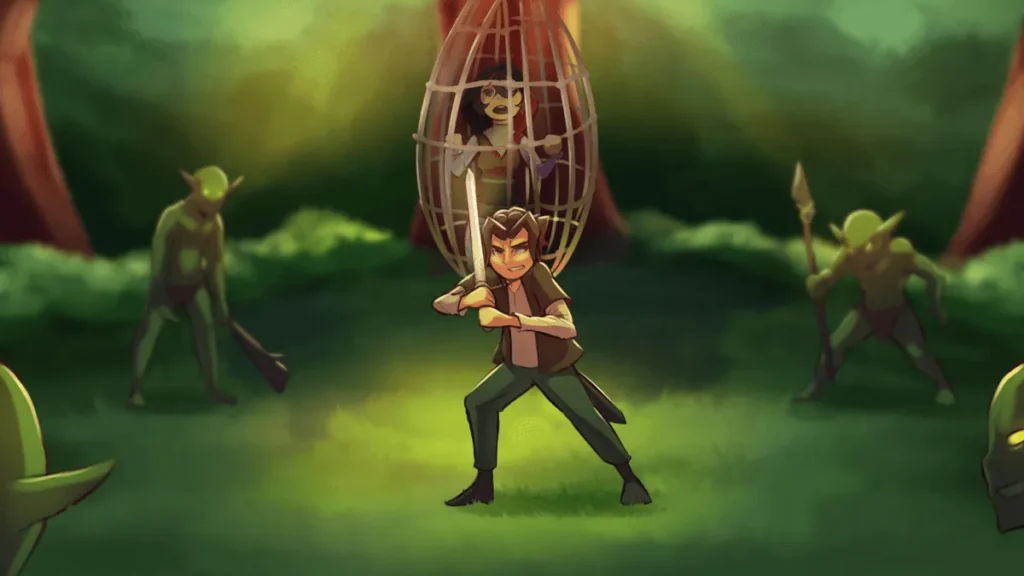






Randel Tales review
Exploring gameplay mechanics, story depth, and what makes this adventure game stand out
Randel Tales has emerged as a standout title in the adult visual novel genre, offering players far more than surface-level content. This adventure game combines engaging storytelling with meaningful gameplay mechanics that have captured the attention of players seeking depth alongside mature themes. Whether you’re curious about the game’s mechanics, character development, or overall experience, this guide explores what makes Randel Tales a compelling choice for players who appreciate narrative-driven adventures with consequence-based choices.
Gameplay Mechanics and Character Development in Randel Tales
So, you’ve stepped into the enchanting, yet often perilous, world of Randel Tales. You’re greeted by beautiful art and an intriguing premise, but then… the stats screen appears. ❓ If your first thought was to panic and randomly assign points, trust me, you’re not alone. I vividly remember my first run, blithely dumping everything into “Magic” because it sounded cool, only to find myself utterly helpless during a critical early hunting challenge. It was a harsh, but valuable, lesson.
Unlike many visual novels where choices are mostly narrative, Randel Tales gameplay mechanics are the robust skeleton beneath its stunning skin. This isn’t a passive experience; it’s an adventure game where your direct management of the protagonist’s growth dictates your survival and success. Your journey through the academy and beyond is governed by a deep, interconnected system of stats, skills, knowledge, and choices. Let’s pull back the curtain and master these systems together. 🧙♂️🎮
Understanding the Stats System and Skill Allocation
At the heart of your journey is a classic yet finely tuned stats system visual novel enthusiasts and RPG fans will appreciate. From the moment you create your character, you’re tasked with shaping their capabilities. Think of these stats as the fundamental colors on your palette; how you mix them determines the picture of your adventure.
You’ll be allocating points across several core attributes, such as:
* Magic Affinity: Governs your power and efficiency with spellcraft.
* Hunting Prowess: Determines your skill with weapons and tracking in the wild.
* Academic Insight: Affects your ability to learn and recall information, crucial for tests.
* Social Grace: Influences your interactions with other characters.
The genius of the skill allocation system in Randel Tales is its lack of hand-holding. The game presents you with the tools and immediate consequences. Early dialogues and scenarios will include skill checks—moments where your investment in a particular stat is tested. Succeed, and you might unlock new dialogue paths, avoid conflict, or gain valuable resources. Fail, and the story adapts, sometimes closing doors or presenting new challenges.
🧠 Pro Tip: My biggest piece of actionable advice? Do not specialize blindly in the first hour. The early game is designed to sample different challenges. Spread a few initial points across 2-3 key areas to give yourself flexibility. You can specialize later once you understand the world’s demands.
Here’s a breakdown of how these primary skills influence your character progression adventure game:
| Skill Type | Primary Gameplay Influence | Progression Impact |
|---|---|---|
| Magic Affinity | Success in spell-casting challenges, magical puzzles, and certain combat resolutions. | Unlocks dialogue options to solve problems mystically, access hidden areas with magic, and potentially bypass physical tests. |
| Hunting Prowess | Effectiveness in survival scenarios, tracking sequences, and physical combat encounters. | Grants access to better resources from the wild, enables alternative paths through hostile areas, and provides decisive solutions in conflicts. |
| Academic Insight | Performance in Academy tests, ability to decipher clues, and recall information from the Monster Book. | Directly impacts your academy ranking, opens up intellectual dialogue trees, and is vital for strategic planning against foes. |
| Social Grace | Outcome of persuasive conversations, ability to gather information, and build relationships. | Can turn potential enemies into allies, unlock side quests and character backstories, and provide crucial aid during critical story moments. |
This interconnectedness means your build truly creates a unique playthrough. A magically gifted scholar will experience the world’s mysteries differently than a socially savvy hunter. This depth is what makes the Randel Tales gameplay mechanics so compelling—they are not a side feature; they are the feature.
FAQ: Navigating the Early Game Stats
Q: I’m overwhelmed! What’s the most forgiving stat allocation for a first playthrough?
A: A balanced approach is safest. I recommend a focus on **Academic Insight** (for tests) paired with either **Social Grace** (to talk your way through problems) or **Hunting Prowess** (for reliable physical solutions). This gives you a solid base to experience most of the game’s content.
Q: What happens if I fail an early skill check? Is my run ruined?
A: Not at all! This is a key strength of *Randel Tales*. Failing a check often leads to alternative, sometimes equally interesting, story branches. It might make things harder temporarily or change a character’s perception of you, but it rarely blocks core progression. It enhances replayability.
Q: Can I respec my points later?
A: Without giving spoilers, the game does not offer a simple “respec” button. Your choices in allocation are permanent, reinforcing the weight of your decisions. This makes planning and adapting part of the challenge and the fun!
Academy Tests and Memory-Based Challenges
Welcome to the academy, where your mental mettle is tested as fiercely as your combat skills. 🏛️📚 This is where the Randel Tales gameplay mechanics brilliantly fuse with its narrative. You’re not just a student in story; you are one in practice. The academy tests memory challenges are a standout feature that transforms passive reading into active participation.
These tests are typically presented as written or oral examinations within the story. The questions? They’re almost exclusively drawn from the lore, behaviors, and weaknesses of monsters you’ve learned about. The game won’t highlight the answers for you. There’s no glowing journal entry that says “THIS WILL BE ON THE TEST.” You must genuinely engage with the information presented.
I recall one specific test on aquatic predators. I had skimmed the corresponding Monster Book entry earlier, focusing only on its combat weaknesses. When the question asked about its breeding grounds—a detail mentioned in the book’s flavor text—I was stumped. I failed that question, and my academy rank dipped. It was a powerful lesson: in Randel Tales, knowledge is a currency as valuable as strength.
These memory challenges serve multiple purposes:
1. They Validate Your Engagement: You are rewarded for paying attention to the world-building.
2. They Gate Progression: Your performance can influence your standing at the academy, unlocking new opportunities, mentors, or resources.
3. They Teach Strategy: By forcing you to learn monster details for a test, the game is secretly training you for future encounters. That weakness you memorized for an exam might save your life in a forest later.
This mechanic ensures that your character progression adventure game is intellectual as well as statistical. Growing stronger isn’t just about points in hunting; it’s about points of knowledge in your own mind. 🧠💪
Monster Book Integration and Strategic Depth
If the stats are your character’s soul and the tests are their trial, then the Monster Book is your essential field guide. This isn’t a collectible for completionists; it’s a core tactical tool. Implementing a smart monster book strategy is the difference between a tense, rewarding encounter and a frustrating game-over screen.
As you encounter creatures in the story or learn about them in classes, your book fills with entries. Each entry provides tiers of information:
* Basic Biology: Where it lives, what it eats.
* Behavioral Patterns: Is it nocturnal? Does it hunt in packs?
* Combat Tactics: Its attack patterns and strengths.
* Critical Weaknesses: The specific elemental, material, or strategic vulnerabilities you can exploit.
Here’s the strategic depth: before major encounters—and often locked behind skill checks—you can “Study” a monster entry. This expends in-game time but provides massive combat advantages, like automatically targeting its weakness or avoiding its most powerful attacks. My most satisfying moment was facing a towering beast I’d previously failed against. On my second playthrough, I invested time to fully research it. The fight went from chaotic panic to a methodical execution of my prepared plan. The sense of mastery was incredible. 🐉⚔️
This system directly interacts with the skill allocation system. A character with high Academic Insight might unlock deeper layers of information in the book automatically. A character with high Hunting Prowess might start with basic knowledge of regional beasts. Your build changes how you access this vital strategic layer.
Furthermore, the choice consequences visual novel elements are deeply tied here. Choosing to spend an evening studying the book instead of socializing at the tavern is a meaningful decision. It might mean missing a character moment but entering your next mission fully prepared. The game constantly presents these trade-offs, making your management of time and resources a key part of the Randel Tales gameplay mechanics.
It’s also worth noting the elegant pacing of these mechanics. Early on, skill checks are frequent, teaching you the rules of the world. As you progress, they become rarer but far more significant. The game trusts you to have learned its systems, and the consequences of passing or failing a late-game check can be story-altering. This creates a wonderful arc for your character progression adventure game, from a floundering student to a confident master of your own destiny.
In conclusion, Randel Tales stands out because it asks more of you. It asks you to manage, to learn, to remember, and to plan. Your choices in the stats system visual novel define your capabilities, your performance in academy tests memory challenges proves your wit, and your monster book strategy showcases your preparedness. Every dialogue option, every point allocated, every hour spent studying ripples outward with tangible choice consequences visual novel storytelling. This isn’t just a story you watch; it’s a world you actively mold and survive through skillful play. And that is what makes this adventure truly unforgettable. ✨
Randel Tales represents a compelling entry in the adult visual novel genre, successfully blending mature content with genuine gameplay depth and meaningful storytelling. The game’s stat system, academy challenges, and monster book mechanics create engaging gameplay loops that reward player engagement and strategic thinking. While the visual presentation shows some inconsistency due to its extended development, the high-quality character design and animation in key scenes demonstrate the developers’ commitment to creating an immersive experience. What truly sets Randel Tales apart is its character-driven narrative and consequence-based choice system that creates emotional investment and replay value. Despite some technical issues and UI communication gaps, the game offers players a rich adventure filled with memorable characters and meaningful decisions. Whether you’re drawn to the narrative depth, gameplay mechanics, or character relationships, Randel Tales delivers an experience that extends far beyond its surface presentation, making it worth exploring for players seeking substance alongside mature themes.