Play My New Memories
My New Memories Screenshots
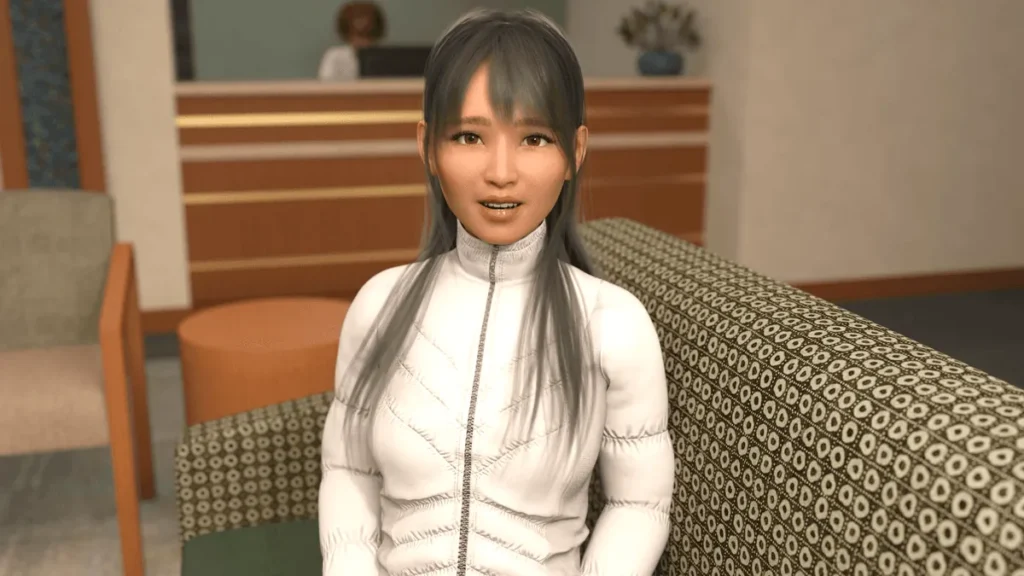
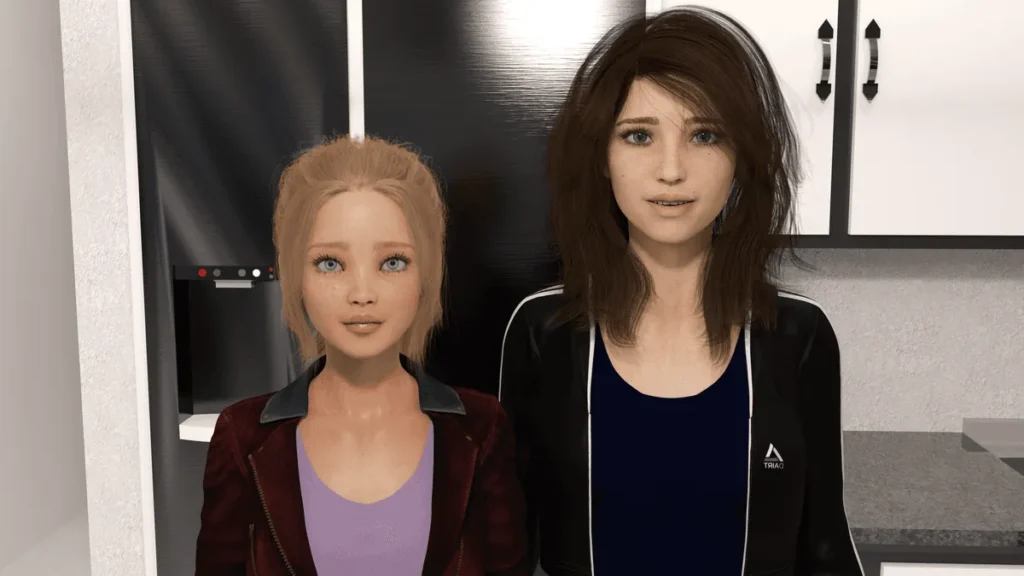
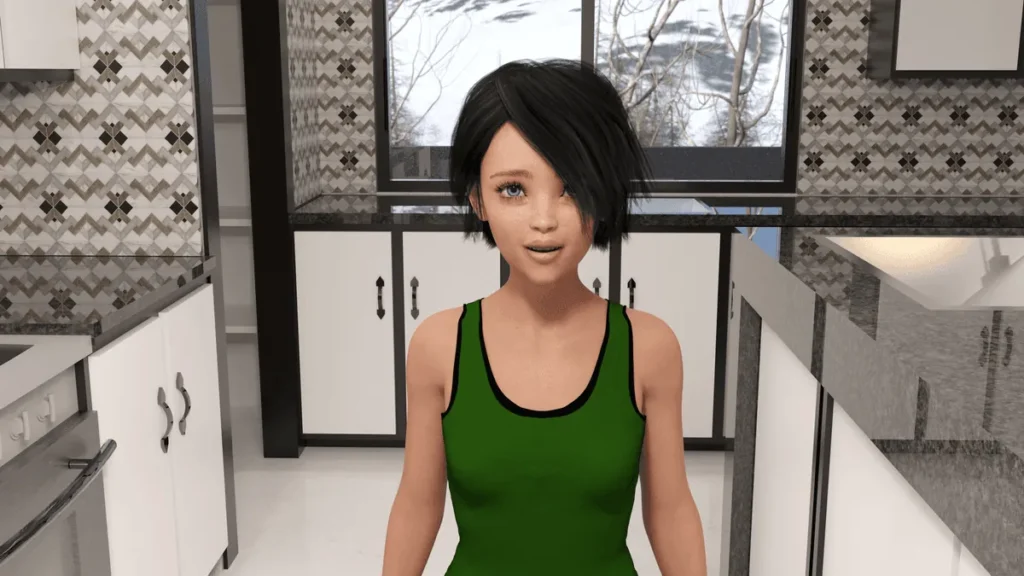



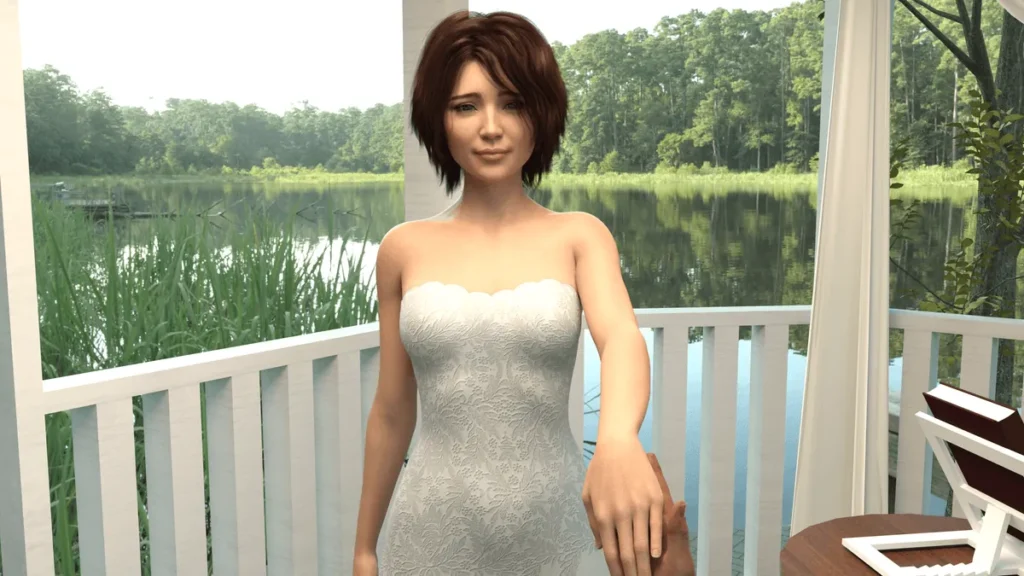
My New Memories review
Explore how player decisions shape relationships and narrative outcomes in this story-rich visual novel
My New Memories is a narrative-driven visual novel that places you at the center of an emotionally complex story. After a devastating car accident, your character awakens in a hospital with no memory of their past life. As you navigate recovery and reconnect with family, you’ll uncover intimate moments from your forgotten history while making critical decisions that reshape your relationships and future. This comprehensive guide explores how the game’s branching narrative system works, the depth of character interactions, and why your choices matter far beyond simple dialogue options.
Understanding the My New Memories Narrative Structure
Imagine waking up in a stark white room, the scent of antiseptic sharp in the air, with a profound and terrifying emptiness where your life should be. You don’t know your name, you don’t recognize the concerned faces around you, and the world feels like a puzzle with all the pieces scattered. This is where your journey in My New Memories begins—not with a grand adventure, but with a quiet, devastating loss. 🏥 This setup is the brilliant foundation of its visual novel narrative, plunging you directly into the shoes of someone who must rebuild their identity from zero.
What makes the My New Memories story so compelling is that you’re not just a passive observer of this amnesia plot. You are the architect of the recovery. Every conversation, every reaction, and every fleeting emotion you choose to express becomes a brick in the reconstruction of a life. It’s a memory recovery narrative that asks a deeply personal question: if you could rebuild yourself from scratch, who would you choose to be? And what do you do when the ghost of the person you were—a person you can’t remember—keeps tugging at your sleeve?
How the Story Begins: Waking Up Without Memories
The opening moments of My New Memories are a masterclass in empathetic game design. You don’t start with a lengthy backstory or a heroic call to action. You start with confusion. The My New Memories plot is triggered by a car accident, a simple, brutal event that acts as a hard reset on your existence. As you gaze at your own reflection, a stranger in the mirror, the game immediately hands you the reins.
Your first choices aren’t about saving the world; they’re about navigating a basic conversation with a nurse. Do you respond with fear, frustration, or a forced calm? This immediate player choice impact is subtle but monumental. It sets the tone for your character’s personality in this new, blank-slate state. Are you kind to the medical staff, or lash out in your fear? This early demeanor can influence how characters like your best friend, Alex, or your sister interact with you later. They are not just reacting to your past self, but to the new person you’re becoming right before their eyes.
This initial scenario does more than establish a mystery—it creates immediate emotional stakes. People visit you, claiming deep bonds you cannot feel. They bring photos and tell stories that sound like fiction. The dissonance is palpable, and the game makes you sit in that discomfort. You’re tasked with piecing together a life based on second-hand accounts and your own gut instincts, a process that forms the unique, intimate core of this interactive storytelling game.
The Role of Dreams and Memory Recovery
While the waking world is filled with hesitant glances and fragmented clues, the night brings a different kind of truth. Here’s where the My New Memories narrative introduces its most poignant and innovative mechanic: the dream world. Your wife, Elara, lies in a coma in the very same hospital. In the realm of reality, she is silent and still. But in your dreams, she is vibrant, whole, and waiting for you. 🌙
These dreams are not mere flashbacks. They are interactive, intimate vignettes from your shared past. You might find yourself in your old kitchen, where Elara is teaching you a family recipe, and you must choose whether to play along clumsily or confess your current insecurity. Another dream could transport you to the moment you first met, allowing you to experience the nervous, fluttering joy of it—or, chillingly, to feel nothing at all.
This duality is the emotional engine of the memory recovery narrative. The dreams offer pure, unfiltered access to the love and life you’ve lost, while your waking hours are a constant negotiation with the aftermath of that loss. Do you cling to the warmth of these dreams, seeing them as your true self? Or do you start to resent them as painful reminders of a connection that feels alien? The player choice impact here is deeply internal, shaping your protagonist’s emotional state more than any single dialogue tree.
Tip: Pay close attention to how you describe your dreams to others the next morning. Telling Alex, “It felt more real than being awake,” will nurture a different dynamic than saying, “It was just a confusing dream.”
The game brilliantly uses this contrast to explore love and identity. Your relationship with Elara is not built through traditional visual novel narrative progression of dates and gifts. It’s rebuilt (or re-examined) through these echoes of profound intimacy, making the emotional weight far heavier and more authentic than most romance-focused stories.
Branching Paths and Multiple Playthroughs
If the dreams are the heart of My New Memories, then the branching paths are its central nervous system. This is a true branching storyline game, where decisions don’t just alter a line of dialogue; they quietly shift the entire trajectory of your relationships and self-discovery. The philosophy here is beautifully stated: there are no “game overs,” and no traditionally “bad” endings. Instead, every path is a valid exploration of a possible you. 🌳
Let’s walk through a concrete example. Early on, your character is offered a chance to return to their old job. It’s a high-stress finance position that, according to your friends, the “old you” lived for.
- Choice A: You decide to visit your office, trying to trigger muscle memory and embrace the life everyone says you built.
- Choice B: You decline, saying you need more time, and instead spend the afternoon walking in the park with your sister.
This single decision creates a cascade of effects. If you choose the office, you might have a scene where the buzz of the trading floor feels strangely exhilarating, and a colleague mentions you look “like your old self.” This path leans into reconciling with your past identity. Your dialogue options may start to reflect more confidence (or arrogance), and Alex might later comment, “You’re starting to sound like you used to, for better or worse.”
If you choose the park, the narrative branch grows in a different direction. You share a quiet, vulnerable moment with your sister, learning about a childhood treehouse you’d both forgotten. This path fosters your new connections and can unlock unique, tender scenes with family members later that would remain closed if you’d prioritized work. The My New Memories plot on this branch is softer, focused on discovery rather than reclamation.
The beauty is that neither is wrong. One playthrough might see you gradually embracing the fragments of your ambitious past, leading to an ending where you and a recovered Elara rebuild your powerful, driven life together. Another might see you rejecting that pressure, discovering a more gentle, artistic side of yourself through new hobbies, resulting in an ending where you and Elara choose a simpler, quieter future. This is the essence of player choice impact—it’s about who you become, not just what you achieve.
| Your Early Choice | Potential Narrative Branch | Example of a Later-Game Scene That Might Unlock |
|---|---|---|
| Prioritizing work & old habits | The “Reconciliation” Path: Leaning into your past identity. | A tense but ultimately bonding argument with Elara about work-life balance, using memories of your past conflicts to build a better future. |
| Prioritizing family & new experiences | The “Rediscovery” Path: Building a new identity. | A heartfelt scene where you and your sister create a new “memory book” together, consciously replacing the lost past with a chosen present. |
| Being open and trusting about your dream experiences | The “Spiritual Connection” Path: Embracing the intangible link. | A powerful dream sequence where Elara seems to directly respond to your daytime decisions, blurring the line between dream and reality. |
| Being skeptical and dismissive of the dreams | The “Rational Grounding” Path: Anchoring yourself in the present. | A crucial support scene with a therapist (who only appears on this path) helping you grieve the lost self without clinging to ghosts. |
This structure makes multiple playthroughs not just encouraged, but essential to fully appreciate the My New Memories story. On a second run, choosing different options isn’t about seeing a “better” ending; it’s about exploring a parallel emotional universe. You’ll encounter entirely new scenes, hear different perspectives from supporting characters, and see facets of Elara and your past that were previously hidden. It’s a testament to the game’s design as a rich interactive storytelling game that respects the player’s time with meaningful variation, not just superficial changes.
The moral dimensions are ever-present but never judgmental. The game constantly presents you with the core dilemma: do you embrace the past presented to you, trusting the love and life everyone remembers? Or do you reject its obligations, believing the accident was a chance to be free from a person you might not have liked? Perhaps you seek a middle path, picking and choosing the pieces that feel right to build something entirely new. There is no right answer, only your answer. And that is what makes your journey through My New Memories uniquely and powerfully your own. 🕊️
In the end, the narrative structure of My New Memories proves that the most profound adventures can happen within the confines of a hospital room and the landscape of a wounded heart. It’s a branching storyline game that measures its stakes in emotional truth rather than life-or-death consequences, and a visual novel narrative that will linger in your own memories long after the final choice is made.
My New Memories stands out as a thoughtfully crafted visual novel that prioritizes emotional storytelling and meaningful player agency. Through its innovative memory recovery narrative, organic character interactions, and branching choice system, the game creates a deeply personal experience where your decisions genuinely shape relationships and outcomes. The combination of high-quality character design, immersive animations, and the absence of traditional game-over mechanics encourages players to explore different paths and discover new content with each playthrough. Whether you’re drawn to the intimate family dynamics, the emotional weight of recovering lost memories, or the satisfaction of seeing your choices ripple through the narrative, My New Memories delivers a compelling experience that lingers long after the credits roll. If you’re seeking a visual novel that treats its characters with depth and respects player autonomy, this game deserves a place in your collection.