Mist
Play Mist
Mist Screenshots









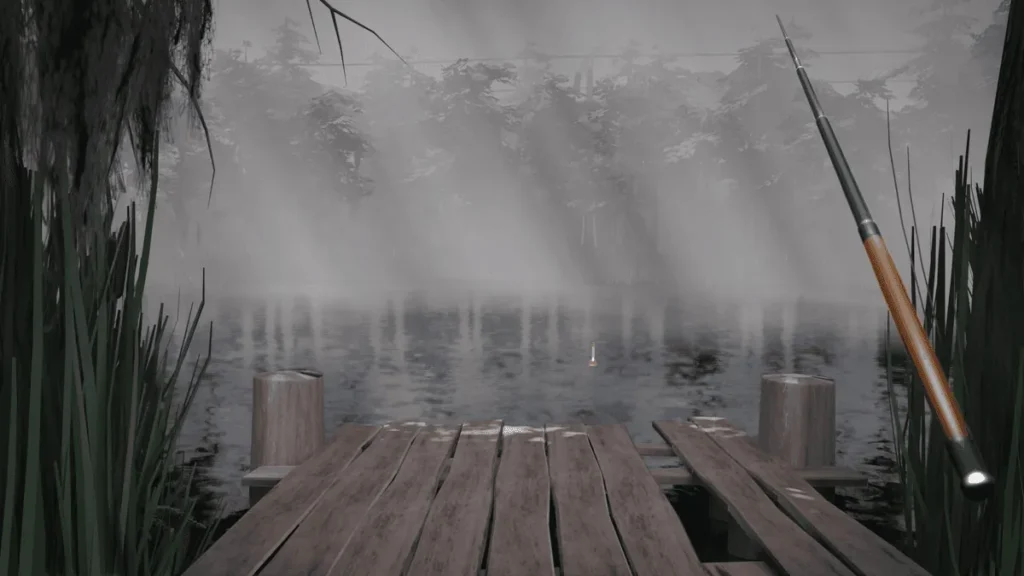


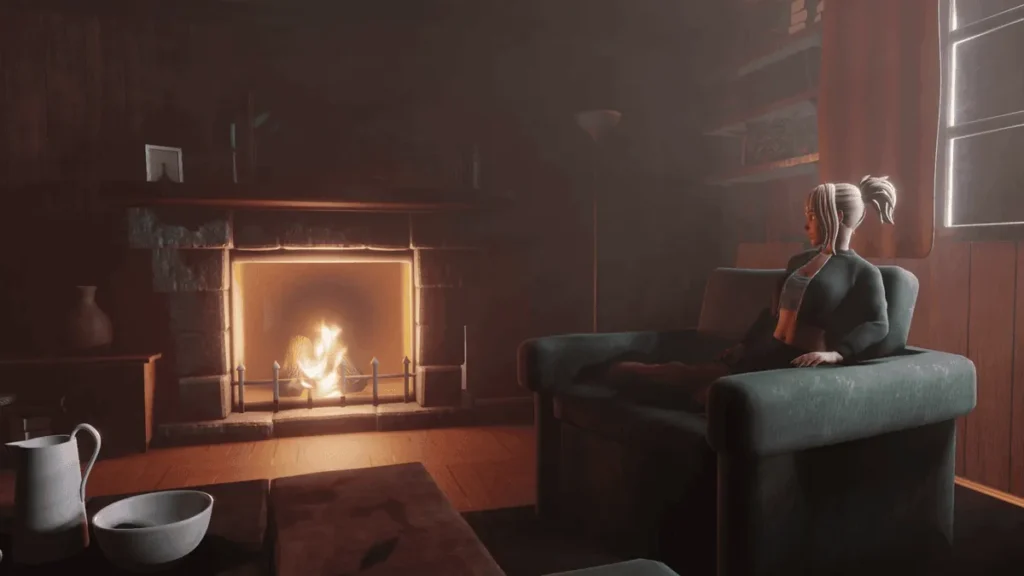
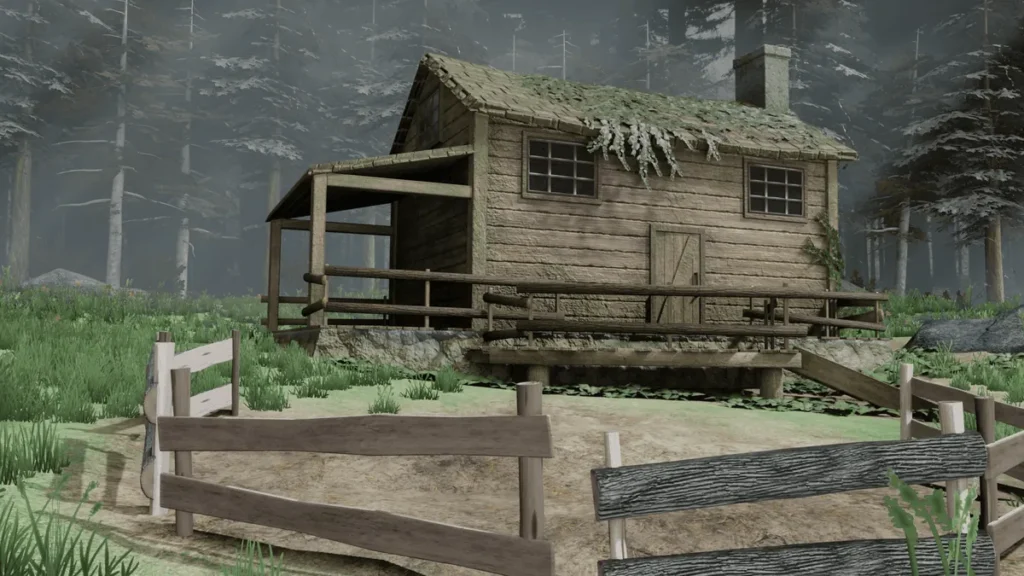
Mist review
A practical, story‑driven guide to playing Mist with strategy, immersion and respect
Mist is a story‑driven adventure game that blends exploration, relationship building, and choice‑based progression in a mysterious, atmospheric setting. In this guide, I’ll walk you through what Mist is about, how its narrative structure works, and how to get the most from your playthrough without spoiling key twists. Drawing on my own experience and what other players consistently highlight, we’ll focus on practical tips, smart choices, and ways to stay immersed in the world of Mist while still progressing efficiently.
What Is Mist About and How Does the Game Work?
Stepping into Mist for the first time, you’re not just launching a game—you’re entering a mood. 🌀 This isn’t about frantic action or complex skill trees; it’s a deliberate, story-rich adventure where atmosphere is the main character and your curiosity is the primary controller. If you’re looking for a Mist game review style overview, think of it as a compelling, interactive novel where every location holds a secret and every conversation can change the path ahead. The core appeal lies in discovery, connection, and the slow, satisfying unraveling of a beautifully eerie world.
So, what exactly is this Mist game about, and how should you approach it? Let’s pull back the first layer of the fog together.
What is the core story and setting of Mist?
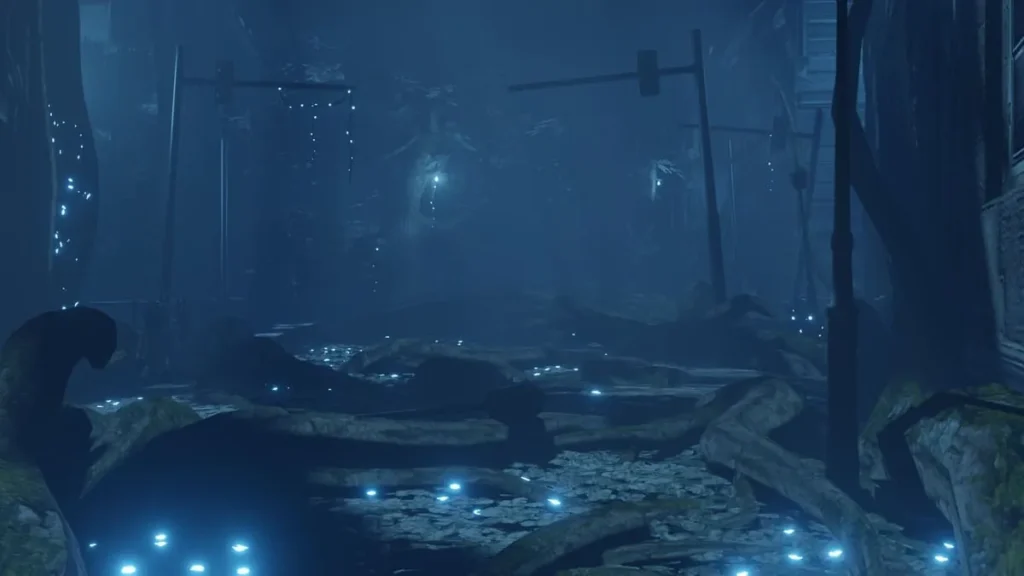
Imagine waking up in a place that feels familiar and alien all at once. 🌫️ That’s your introduction to the world of Mist. The core premise wraps you in a mysterious environment—perhaps a secluded coastal area, a forgotten institution, or a town shrouded in quiet secrets. You’re not given a grand mission upfront; instead, you’re presented with a profound sense of isolation and a gentle, pressing need to understand why you’re here and what happened before you arrived.
The overall tone is a masterful blend of the mysterious, the tense, and the intimately personal. You’ll feel the weight of silence in empty halls and the electric charge of a meaningful glance during a conversation. This Mist story is driven by the characters you meet, each one a puzzle piece to the larger picture. Who are they? What are their hidden fears and desires? How do they connect to this place and to you? Your journey is about uncovering these layers through dialogue and exploration.
The world itself is a character. It starts confined, almost claustrophobic, but slowly opens up as you progress. New areas become accessible not because you leveled up, but because you learned a crucial piece of information, gained someone’s trust, or simply decided to look at a problem from a different angle. The Mist gameplay loop is built on this gradual revelation, making every new path feel earned and significant.
At its heart, the Mist game rests on four key pillars:
- Story & Atmosphere: The narrative and the mood are inseparable. You play to feel the world and uncover its truths.
- Exploration: Careful observation of your surroundings is just as important as talking to people. The environment tells its own Mist story.
- Choices: Your dialogue options and actions matter. They don’t always lead to “good” or “bad” ends, but they authentically shape your relationships and the tone of future scenes.
- Relationships: The heart of the experience. Your interactions with other characters define your journey and unlock deeper layers of the plot.
How does Mist’s progression and exploration system work?
If you’re wondering how does Mist work on a practical level, picture a beautifully intricate web. 🕸️ Your main tools are exploration and conversation. You’ll move between key locations—a main lodge, wooded paths, private rooms, and other evocative settings—examining objects and initiating talks with the characters you find.
Progress isn’t gated by traditional locks and keys, but by story triggers. You might need to have a certain conversation with Character A before Character B will open up to you. You may need to examine an old photograph in one area to ask a relevant question in another. The game often operates on a system of hints and soft prerequisites rather than hard barriers.
This is where a Mist beginner guide becomes essential. Your early strategy should be one of patience and thoroughness. Here are my top Mist exploration tips for your first playthrough:
Pro Tip: Treat your first session like you’re settling into a good book, not rushing to finish a level. The slow burn is intentional and rewarding.
- Examine Everything (Twice): When you enter a new area, look at every highlighted object. Sometimes, the context of an item changes after a story event, so revisiting locations is never a waste of time.
- Talk to Everyone (Again): After any significant story beat, make the rounds. Characters will have new things to say, and these updated dialogues are often the key to unlocking the next scene.
- Listen Between the Lines: The Mist story is told through subtext. Pay attention to what people aren’t saying, their hesitations, and their changed subjects. These clues are your guide.
- Keep Notes: Mentally or literally. Jot down names, relationships, and odd details that seem important. You’ll be surprised how often a throwaway line in Hour 1 becomes crucial in Hour 6.
To visualize the core loop, here’s a breakdown of the primary gameplay cycle:
| Phase | Your Action | The Game’s Response |
|---|---|---|
| Explore | Visit locations, examine objects and environmental details. | Reveals lore, provides context, and sometimes unlocks new dialogue options or areas. |
| Converse | Talk to characters, choosing from available dialogue options. | Develops relationships, reveals character backstories, and triggers key story events or flags. |
| Unlock | Meet hidden conditions (e.g., saw X, heard Y, gained Z’s trust). | Opens new scenes, locations, or narrative branches, pushing the overall story forward. |
| Repeat | Revisit areas and people with new knowledge. | Deepens the narrative, providing richer interactions and closing story loops. |
This structure means pacing can be deliberately slow at the start. You might spend your first hour just getting to know the lay of the land and the people in it. Don’t be discouraged! This foundation is what makes the later moments, when story threads suddenly pull taut and connect, so incredibly satisfying.
My first hours in Mist: what surprised me most
I’ll be honest: my initial foray into the Mist game was defined by a pleasant confusion. 🧭 I remember wandering the central hub area, talking to each character, feeling like I was collecting fragments of different puzzles with no idea how they fit together. I wasn’t sure if I was “playing correctly.” Was I missing a vital clue? Should I be focusing on one person?
Then, about two hours in, the Mist gameplay philosophy clicked. I had a brief, seemingly innocuous chat with a character near the waterfront. Later, while exploring a secluded part of the woods, I found a discarded personal item. Because of that earlier conversation, I knew exactly who it belonged to and, more importantly, what it might mean to them.
Returning the item didn’t trigger a flashy cutscene. Instead, it changed the fabric of our next interaction. The character’s defensive wall came down just a little. They shared a vulnerable memory. The tone of every subsequent scene with them was warmer, more nuanced. In that moment, I realized how does Mist work on a deeper level: it’s a game of authentic cause and effect, where emotional payoffs are the real reward.
Let me share a quick example to illustrate this learning curve. Imagine a new player, Sam, on their first evening:
Sam spent their first 90 minutes just walking and talking, feeling a bit lost. They focused on one character who seemed friendly, but hit repetitive dialogue. Frustrated, they almost quit. Then, they remembered a book title mentioned offhand by a different, gruffer character. On a whim, Sam went to the library area and found that book. Reading its description unlocked a new, insightful dialogue option with the gruff character. This small breakthrough changed Sam’s approach—they stopped trying to “complete” conversations and started connecting dots across the entire world. The game opened up beautifully from there.
The biggest non-spoiler surprise for me was the living world effect. A location isn’t just a static backdrop. Visiting the kitchen in the “morning” (after a certain story beat) might find one character making coffee, stressed and open to chat. Visiting the same spot “late at night” might reveal someone else, sleepless and sharing secrets they’d never utter in the daylight. This taught me that timing and observation are invisible mechanics in this Mist story.
So, if your first hours leave you feeling adrift, know that you’re right on course. That feeling of subtle disorientation is part of the design, mirroring your character’s own experience. Trust the process, follow your curiosity, and let the world reveal itself at its own haunting pace. The Mist game is less about winning and more about understanding—a journey best savored one careful step, and one meaningful conversation, at a time. ✨
Mist rewards curiosity, patience, and a willingness to get lost in its atmosphere. When you give yourself time to explore, pay attention to conversations, and experiment with different choices, the game reveals a surprisingly rich, character‑driven story. Whether you’re just starting out or returning for another run, treat Mist less like a checklist and more like an unfolding story you’re actively shaping. If this approach resonates with you, consider diving back in with fresh eyes, revisiting old locations, and seeing how a few different decisions can subtly change the way Mist feels.