Halfway House
Play Halfway House
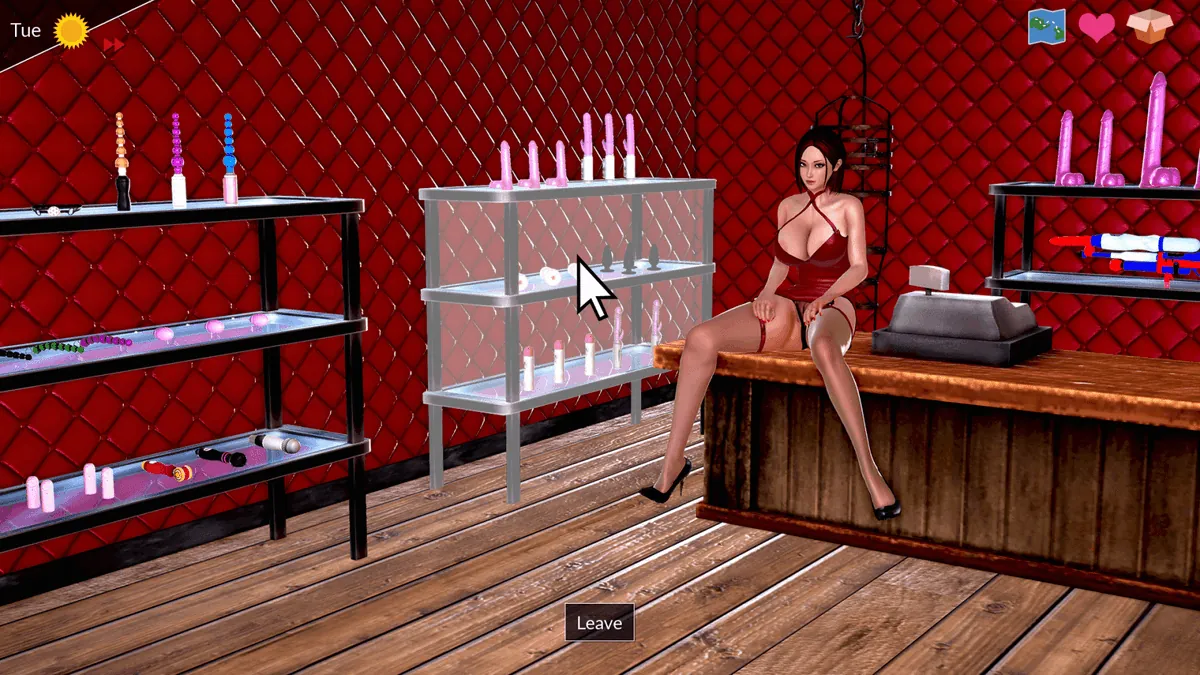
Halfway House Screenshots











Halfway House review
Master mechanics, relationship building, and intimate scenes in this visual novel experience
Halfway House is a narrative-driven visual novel that combines relationship simulation with intimate gameplay mechanics. This guide explores the core systems that make the game engaging, from building trust and attraction with characters to understanding the minigame mechanics that unlock exclusive content. Whether you’re new to visual novels or a seasoned player, understanding how the game’s stat system, activity mechanics, and intimate scenes work together is essential for progressing through the story and unlocking all available experiences. This comprehensive walkthrough breaks down everything you need to know to master Halfway House and experience all the game has to offer.
Understanding the Relationship System: Trust, Attraction, and Intimacy Mechanics
Let’s be honest, when you first dive into Halfway House, it’s tempting to think the path to a character’s heart is a straight line. You do nice things, you get closer, scenes unlock. Right? 😅
Wrong. I learned this the hard way. Early in my playthrough, I focused purely on what I thought would build a connection with a character, only to find them friendly but distant, stuck in a loop of casual interactions. I was boosting the wrong stat entirely! The game’s brilliance—and its initial challenge—lies in its nuanced Halfway House relationship system. It doesn’t have one “relationship” meter; it has two core, independent pillars: Trust and Attraction.
Mastering the distinction between these is the single most important skill for your Halfway House character progression. Think of Trust as the foundation of a house—it’s solid, slow to build, and absolutely necessary for anything lasting. Attraction is the decoration, the electricity, the spark that makes the space come alive. You need both to make a home. This guide will break down this essential trust vs attraction mechanics duel, giving you the relationship building strategies game pros use.
How Trust and Attraction Stats Differ in Gameplay
So, what do these stats actually do? Understanding their unique roles is your first step to mastering the Halfway House stat system guide.
Trust is your metric for genuine emotional connection. It’s built through meaningful, shared experiences and acts of kindness that show you value the character as a person. A high Trust level opens up deeper conversations, reveals personal backstory, affects character moods positively for longer periods, and is often the non-negotiable gate for the most significant, story-altering intimate scenes. It’s the stat that says, “I see you, and you can see me.” Without it, you’ll hit a ceiling in your relationship, no matter how high your other stat is.
Attraction, on the other hand, measures romantic and physical chemistry. It’s the tension, the flirtation, the mutual desire. It’s increased through fun, flirtatious, and physically engaging activities. While crucial for unlocking most physically intimate moments, Attraction alone is a shallow pool. A character with high Attraction but low Trust might be physically available but emotionally closed off—you’ll get scenes, but they may feel transactional or lack narrative weight.
Pro Tip: Check a character’s bio page regularly! It shows your current Trust and Attraction levels with them. This is your dashboard for planning your relationship building strategies game.
The magic—and the strategy—happens in how they interact. Some late-game scenes require both a minimum Trust AND a minimum Attraction score. Others might prioritize one over the other. This dual-track Halfway House relationship system forces you to be thoughtful. You can’t just spam one type of action; you must cultivate a balanced connection. It’s what elevates Halfway House from a simple visual novel to a sophisticated simulation of connection.
Activities That Build Meaningful Connections vs. Passive Horniness
This is where most players, including my past self, stumble. The game cleverly separates active relationship building from passive state management. Confusing these is the fastest way to stall your Halfway House character progression.
Meaningful Connection-Builders: These are active choices you make during your time with a character. They directly increase Trust, Attraction, or both, and often come with additional benefits like mood boosts.
- Karaoke Night 🎤: This is a powerhouse early-game activity. It gives a solid +5 Trust and a whopping +25 Attraction. It’s perfect for quickly establishing a flirtatious rapport while laying a small foundation of camaraderie.
- Hanami (Cherry Blossom Viewing) 🌸: A personal favorite for its elegance. It provides a balanced +5 Trust and +10 Attraction. Its hidden superpower? It applies a 3-day “blissful” mood boost to the character, making them more receptive and preventing negative mood swings. This is a strategic tool for maintaining progress.
- “NutFlex & Chill” 🍿: A pure Attraction play at +15. It’s a classic date activity within the game world that focuses on shared enjoyment and casual, close-quarters time.
The “Horniness” Mechanic – A Strategic Trap: Then there’s the NutFlex+ subscription and adult material. Watching content here, or observing characters in certain private moments, increases a separate, hidden meter—let’s call it “physical readiness” or arousal. Crucially, this does NOT build Attraction or Trust. It doesn’t make the character like or respect you more.
It simply unlocks a state-dependent path to certain physical scenes. If a character is in this state and you have a baseline of Attraction, you might access a quick, purely physical encounter. But these scenes don’t advance the relationship narrative. They’re a short-term release, not how to build trust in Halfway House or deep affection. Relying on this mechanic is like eating candy for dinner—it feels good now but offers no real nutrition for your connection.
| Activity Name | Trust Bonus | Attraction Bonus | Intimacy Type Enabled | Special Effects & Notes |
|---|---|---|---|---|
| Karaoke Night | +5 | +25 | Flirtatious / Early Physical | Excellent for rapid Attraction boost. Lowers initial shyness barriers. |
| Hanami Visit | +5 | +10 | Emotional / Romantic | Grants a 3-day positive mood boost. Crucial for preventing bad moods that block progression. |
| NutFlex & Chill | +0 | +15 | Causal Physical / Flirtatious | Reliable Attraction builder. Safe, repeatable option. |
| Give a Meaningful Gift | +10 to +15 | +5 | Deep Emotional / Story Scenes | Major Trust event. Often unlocks unique dialogue and backstory. |
| Help with a Problem | +10 | +0 | Vulnerability / Trust Scenes | Pure Trust builder. Essential for reaching highest relationship tiers. |
| Passive Observation (NutFlex+, etc.) | +0 | +0 | State-Based Physical Only | Raises hidden “readiness” meter. Does not advance relationship stats. Use strategically, not as a core strategy. |
Intimate Content Progression and Scene Unlocking
Now for the payoff: how does this all translate to the scenes everyone is working towards? The attraction mechanics visual novel fans love are deeply tied to this two-stat system. Unlocking scenes isn’t random; it’s a direct result of your stat investment.
Scene Tiers and Requirements:
1. Flirtatious Banter & Early Moments: These typically require only a modest Attraction score. They’re the “getting to know you” flirting, often unlocked after activities like Karaoke.
2. Physical Intimacy Scenes: These primarily check for a high enough Attraction level. However, the nature of the scene can differ. With low Trust, it may be depicted as purely physical. With moderate Trust, it gains more affectionate context.
3. Emotional & Vulnerable Scenes: These are gated by Trust. These might not be physically intimate at all but involve sharing secrets, past trauma, or deep fears. They are critical for narrative progression.
4. Peak Intimate Scenes: The most coveted scenes—those that combine passion, emotion, and narrative significance—almost always require both high Trust AND high Attraction. You might need, for example, 70 Trust AND 80 Attraction. This ensures the moment feels earned and deeply connected.
The Mood Wildcard: A character’s mood is a temporary modifier that can override your stats. A character in a “melancholy” or “angry” mood might refuse an advance even if your scores are technically high enough. This is why activities like Hanami are so powerful—their 3-day mood boost acts as a protective bubble for your Halfway House character progression, giving you a safe window to make your move or build stats further.
A Real Gameplay Scenario:
Let’s say you’re focusing on Maya. Early on, you spam movie nights (NutFlex & Chill) and get her Attraction to 50 quickly. You unlock a few physical scenes, but then you hit a wall. 😩 She’s fun but doesn’t open up. This is where my first playthrough failed.
The correct strategy? After an initial Attraction bump, pivot hard to Trust. Let’s map a strategic week:
* Day 1: Pick “Help with a Problem” from her storyline event. (+10 Trust, +0 Attraction). This is a pure foundation-builder.
* Day 2: Suggest a Hanami date. (+5 Trust, +10 Attraction). Now she gets the 3-day happy mood boost! 📈
* Day 3 (within mood boost): Go for Karaoke. (+5 Trust, +25 Attraction). The mood boost ensures she’s fully receptive to the fun, maximizing the impact.
* Day 4 (last day of mood boost): This is your prime moment. With Trust now meaningfully raised and Attraction through the roof, choose a romantic option. You’ll likely unlock a scene that was previously inaccessible, one that blends the physical passion you’ve built with the new emotional trust you’ve earned.
This balanced approach, mindful of moods and stat goals, is the essence of advanced relationship building strategies game play. You’re not just clicking choices; you’re managing a emotional economy.
Final Advice: Early game, focus on mixed activities like Karaoke to get Attraction up to unlock initial content and keep the game engaging. Mid-game, aggressively pursue Trust-building story choices and gifts. Late-game, use mood-stabilizing activities like Hanami to create perfect windows to capitalize on your balanced stats and experience the story’s richest moments. Remember, the Halfway House relationship system rewards patience and genuine care. Build the house on a solid foundation of Trust, then decorate it with the spark of Attraction. That’s how you master this unforgettable visual novel experience. 🏆
Halfway House delivers a sophisticated relationship simulation experience that rewards strategic thinking and understanding of its core mechanics. The distinction between building genuine relationship stats and temporary physical readiness creates meaningful gameplay decisions that impact your progression through the story. By mastering the relationship system’s nuances—understanding how different activities contribute to trust versus attraction, and recognizing when passive content consumption helps versus hinders your goals—you’ll unlock the full depth of what the game offers. The intimate minigame mechanics, while initially complex, become intuitive once you learn to read arousal indicators and understand the timing systems. Whether you’re pursuing specific character routes, unlocking all intimate scenes, or simply enjoying the narrative experience, this guide provides the foundation you need to play strategically and experience everything Halfway House has to offer. Take time to experiment with different activity sequences, pay attention to character responses, and remember that meaningful progression comes from building genuine connections rather than relying solely on passive mechanics.