
Ecchi Sensei
Play Ecchi Sensei
Ecchi Sensei Screenshots










Ecchi Sensei review
A player’s friendly walkthrough, tips, and personal take on Ecchi Sensei
Ecchi Sensei is a narrative-driven adult-themed visual novel where you play as a teacher navigating life, relationships, and branching storylines in a small town school setting; this guide focuses only on Ecchi Sensei and aims to help players understand the game’s structure, characters, systems, and strategies. In this post I share my experience playing the game, practical setup advice, and concrete tips I used to unlock routes and manage character progression. Whether you’re new to Ecchi Sensei or returning after an update, this article walks you step-by-step through the parts of the game that matter most and includes actionable advice you can apply right away.
Overview: What Ecchi Sensei Is and How It Works
So, you’ve heard the name, maybe seen some art, and you’re wondering what all the fuss is about. Welcome! 👋 Let me paint you a picture of my first hour with Ecchi Sensei. I booted it up expecting… well, I wasn’t entirely sure. A few minutes in, I was already panicking because I couldn’t decide whether to help the student council president with her paperwork or check on the shy girl practicing solo in the art room. I didn’t realize a simple choice could lock me out of an entire storyline for weeks! That’s the magic—and mild terror—of diving into this game blind. This guide is here to be the friendly mentor I wish I’d had, walking you through everything from the basic premise to getting it running smoothly on your PC.
Let’s start with the big picture: what exactly is this game? At its heart, the Ecchi Sensei overview is simple. You play as a new teacher transferred to a small, picturesque town to work at a local high school. Your mission? Teach, mentor, and navigate the complex, often charmingly awkward, relationships with your students and colleagues. The campus setting is your entire world, buzzing with daily routines, seasonal events, and secrets waiting to be uncovered. Don’t let the initial calm fool you—this is a narrative-driven experience focused on deep character routes, where your choices truly write the story.
Game premise and setting
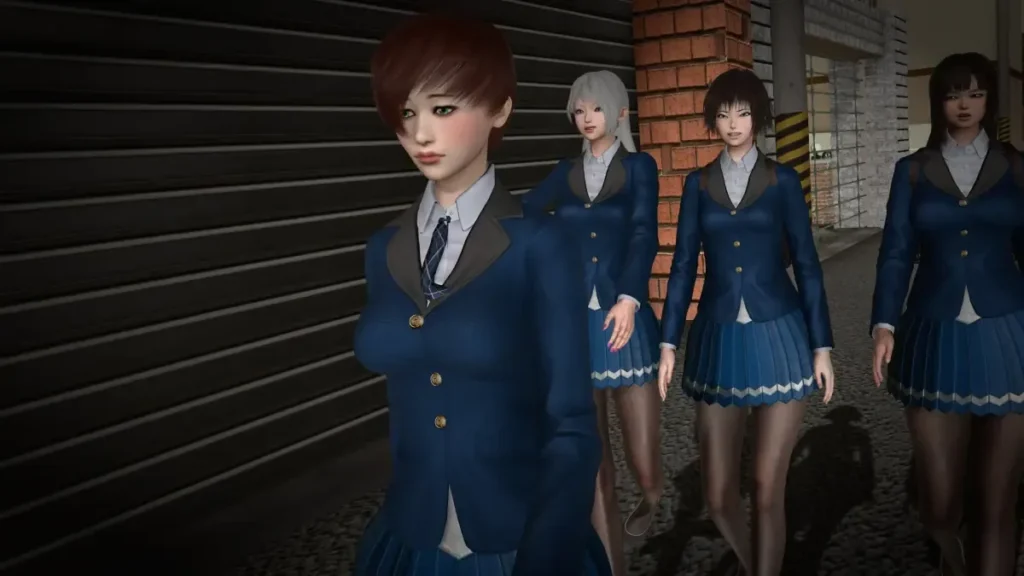
The premise is your anchor. You’re not a superhero or a fantasy chosen one; you’re an educator trying to make a difference (and maybe find a connection) in a tight-knit community. The small-town setting is key 🏡. It creates an intimate atmosphere where your actions feel impactful. Running into students at the local market or the riverside path isn’t just a coincidence—it’s a deliberate story beat. The school itself becomes a character, with its clubrooms, rooftop hideaways, and the ever-important faculty office serving as backdrops for countless conversations.
This brings us to the Ecchi Sensei story structure. The game operates on a day-by-day calendar system. Each day, you’ll have a set number of action points to spend. Will you focus on building your teaching skills in the library? 🤓 Visit the sports field to encourage the tennis team? Or perhaps explore the town to stumble upon a chance encounter? This daily management is the rhythm of the game. The narrative unfolds through these choices, branching significantly based on who you spend time with and what you say. Major story beats are often gated behind reaching certain relationship levels or making specific key decisions at pivotal moments. It’s a slow, satisfying burn where paying attention to everyone’s schedules and personal struggles pays off.
Core gameplay loops and mechanics
Now, for the meat and potatoes: the Ecchi Sensei gameplay. If you love games where your decisions matter, you’ll feel right at home. The core loop is a delicious cycle of manage, choose, and see the consequences.
- Dialogue & Choices: Every conversation is a potential turning point. You’ll frequently be presented with multiple dialogue options. Some are purely for flavor, but many are relationship flags—invisible checkpoints that push you toward a specific character’s route or alter how they view you. There are rarely “right” answers, only choices that align with the connection you want to build.
- Stat Progression: Your character has stats like Empathy, Discipline, and Academics. Raising these isn’t just for show. Certain story events or dialogue options will require a minimum stat level to unlock. Choosing to study after school might boost Academics, allowing you to better help a struggling student later on.
- Inventory & Events: While not an RPG with swords and potions, you do manage a simple inventory. Gifting items you find or purchase (like a specific book or a ribbon) can significantly boost your relationship with a character if it’s something they like. Special events are tied to the calendar—cultural festivals, summer trips, final exams—and serve as major story milestones for all routes.
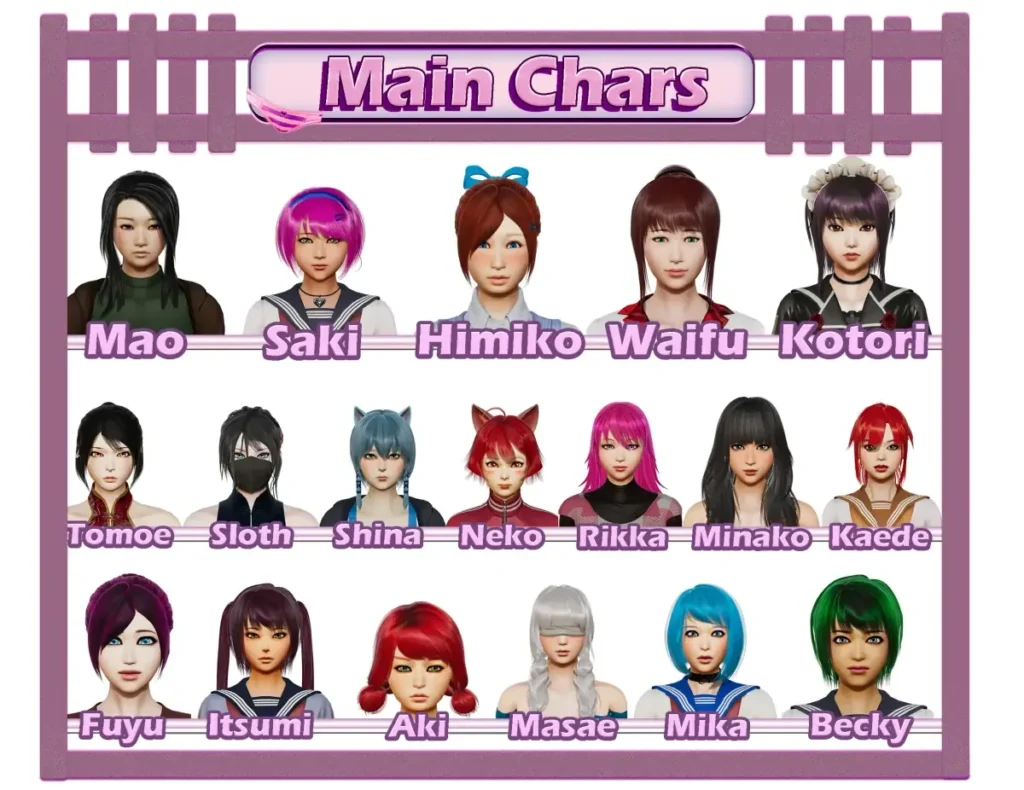
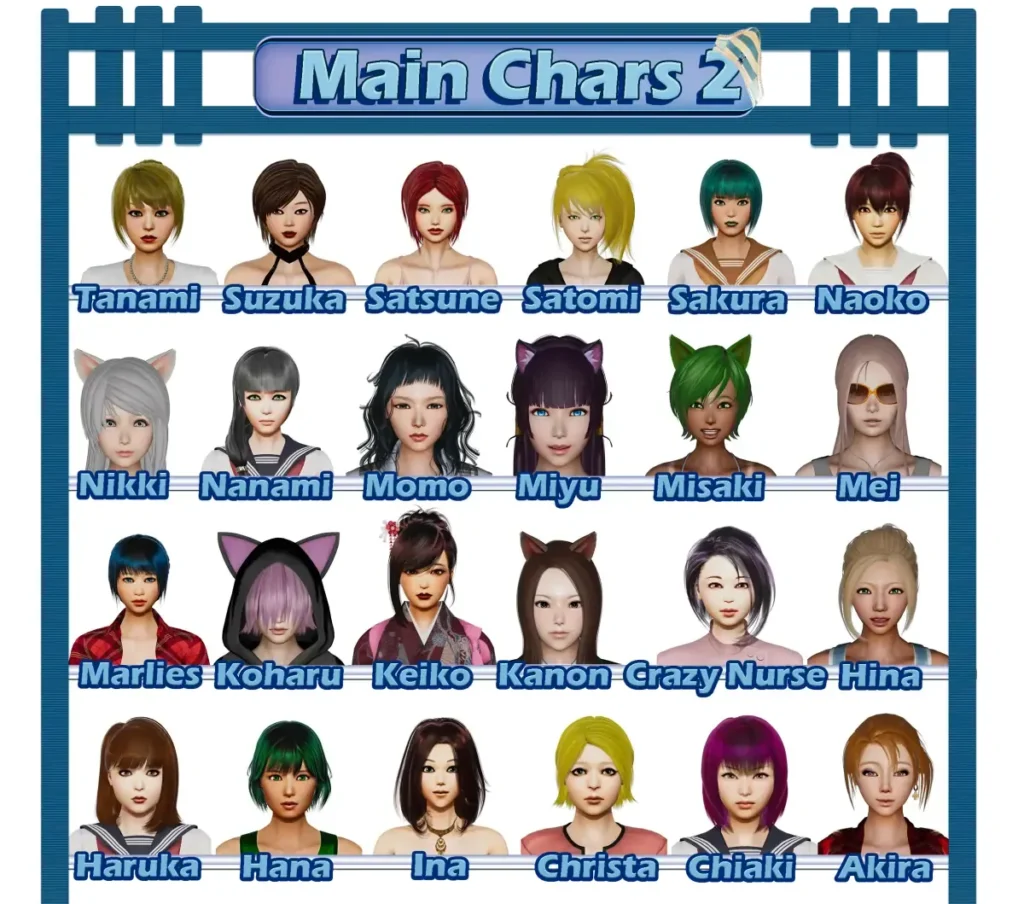
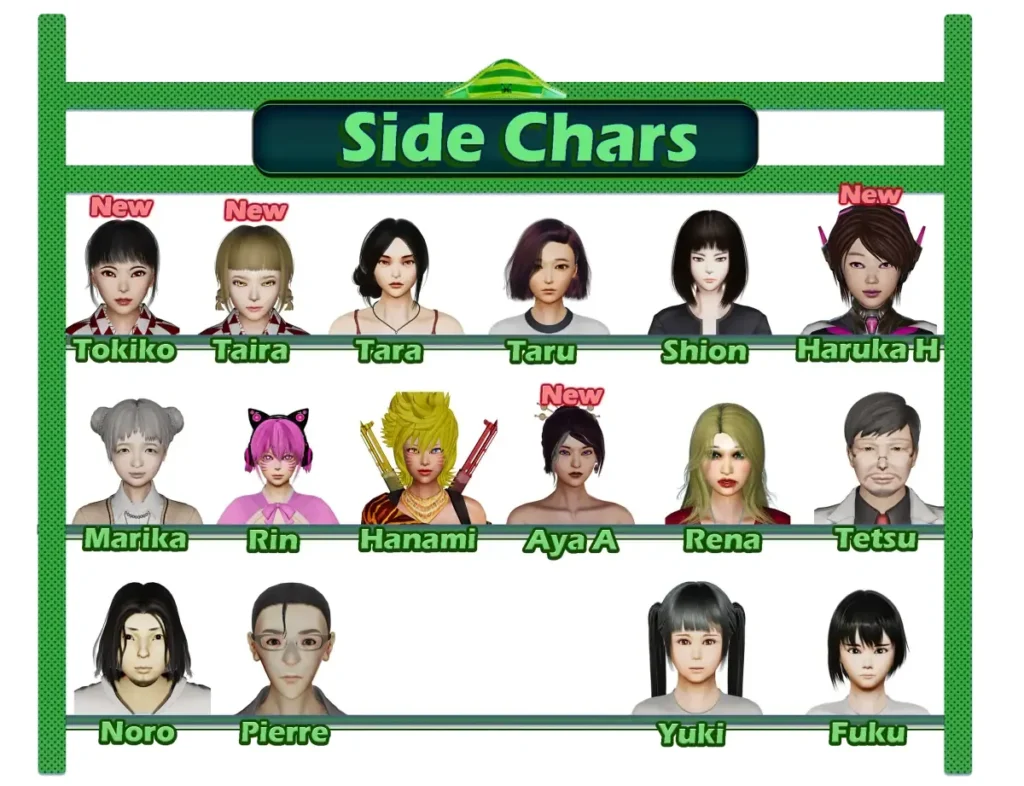
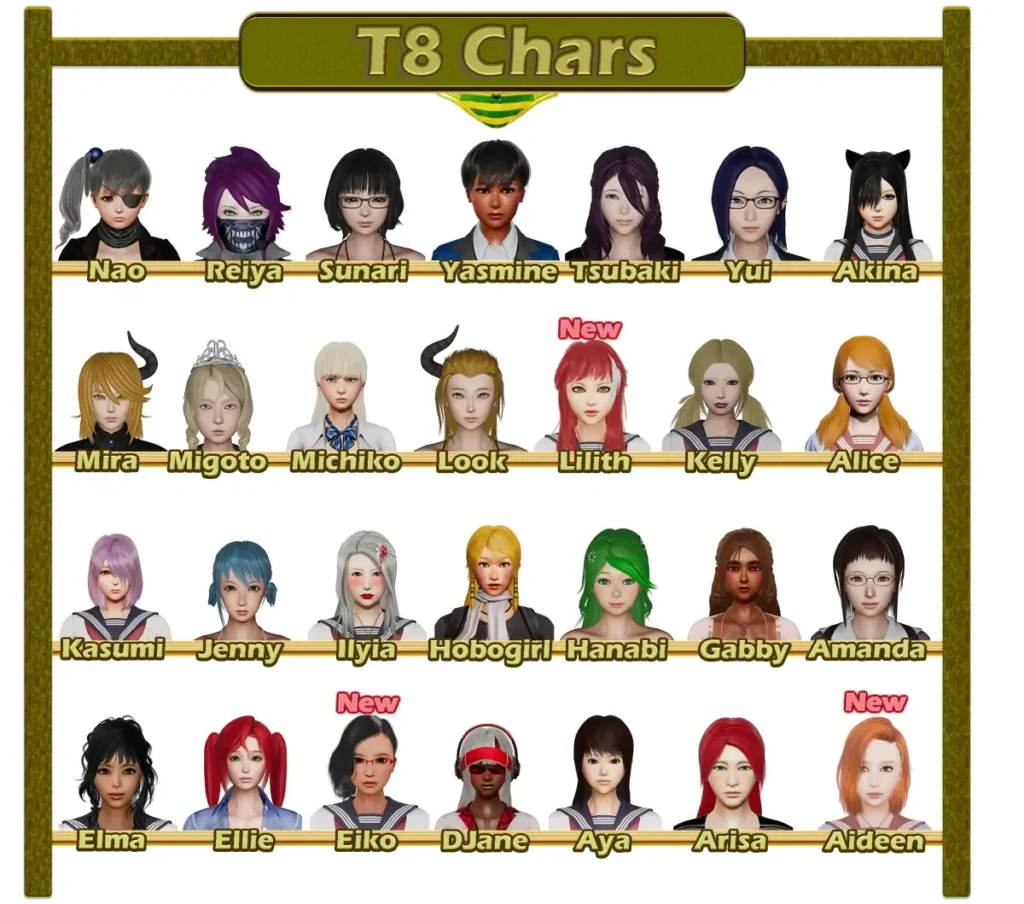
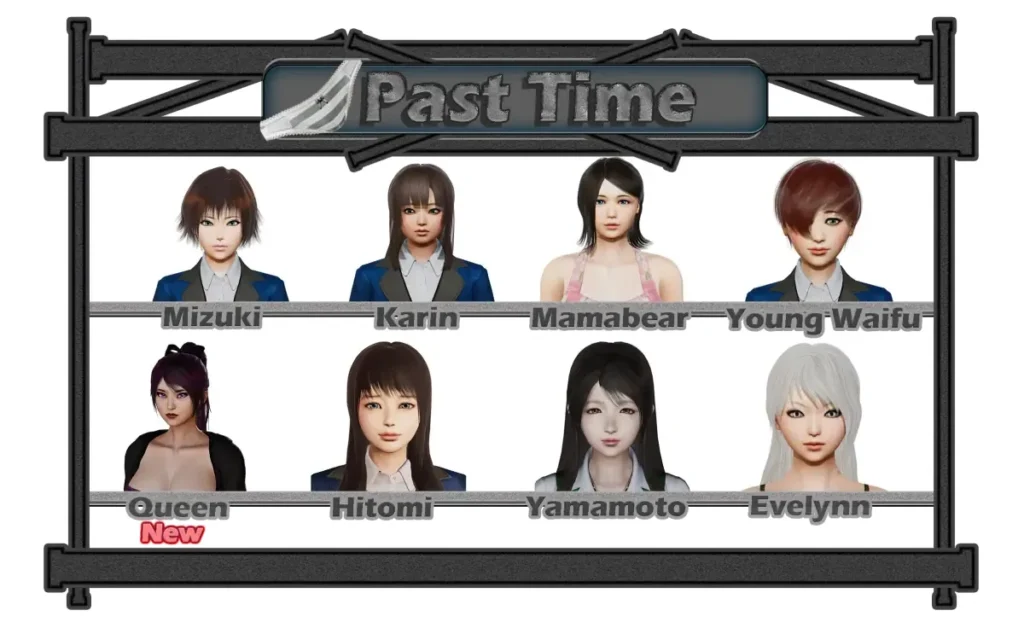
A crucial part of the Ecchi Sensei gameplay is the roster. The Ecchi Sensei characters list is surprisingly robust, offering a wide variety of personalities to connect with. You might have around eight to ten core characters with full, fleshed-out routes. This includes not just students from different clubs (the diligent class rep, the energetic athlete, the creative art student) but also fellow teachers and other townspeople. This variety ensures that no two playthroughs feel the same. My personal first route was with the seemingly stern student council president, whose story unraveled into one about immense pressure and family expectations—it completely changed how I saw her in every subsequent playthrough.
The beauty is in the branching. Choosing to consistently eat lunch with one group of students will open scenes and conversations you’d never see otherwise. The game remembers your small kindnesses and your blunders. This creates incredible replay value, as you go back to see how different choices alter not just the ending, but the entire journey there.
Installation, system requirements and updates
Alright, you’re sold on the Ecchi Sensei story and gameplay. Let’s get it onto your machine! The Ecchi Sensei install process is generally straightforward, but knowing where to look and what you need will save you headaches.
First, the practicalities. You’ll need to ensure your PC can run it. The good news is that as a 2D-focused visual novel, the Ecchi Sensei system requirements are quite modest. You don’t need a gaming rig. Here’s a quick breakdown:
| Component | Minimum | Recommended |
|---|---|---|
| OS | Windows 7 | Windows 10 or 11 |
| Processor | 1.2 GHz Pentium 4 | 2.0 GHz Dual Core |
| Memory | 2 GB RAM | 4 GB RAM |
| Graphics | Integrated (DirectX 9 compatible) | Discrete GPU with 512MB VRAM |
| Storage | ~3 GB available space | ~5 GB available space |
Typical install size is very manageable, usually sitting between 2-4 GB. Once you’ve confirmed your specs, the installation is usually a matter of running a standard .exe installer from the official source or a trusted distributor. Always create a dedicated folder for the game—it makes managing saves and future updates much easier.
Pro Tip: Before you even launch the game for the first time, check for updates! Many narrative games receive post-launch patches that fix bugs, add quality-of-life features, or even include new sub-events.
Speaking of updates and community, this is where fan hubs shine. 🌟 While you should always acquire the base game through official channels, communities on platforms like Reddit or dedicated visual novel forums are invaluable. This is where players discuss fan-made translation patches (if you’re playing a non-native version), minor mods for UI improvements, or guides for unlocking tricky events. A quick search for “Ecchi Sensei patch” on your preferred forum will usually point you in the right direction. Remember to only apply patches from sources with good community standing and always back up your save files first!
As for pacing and commitment, treat your first playthrough like a good book. Don’t rush. A single character route, if you’re reading everything and exploring a bit, can take anywhere from 10 to 20 hours. The game encourages you to take your time, to live in its days. Major updates from developers are often celebrated events, sometimes adding new side stories, characters, or expanding existing routes, giving you a wonderful reason to return to the town and school months later.
My first-day learning curve was steep—I was overwhelmed by the sheer number of choices and terrified of “messing up.” But I quickly learned that’s the point. There’s no single perfect path, only your path. So, take a deep breath, step into your new teacher’s shoes, and get ready to make some memories. The school bell is about to ring. 🔔
Ecchi Sensei is a branching visual novel experience centered on character routes, day-by-day progression, and player choices; mastering it means understanding how relationship flags, event timing, and save practices interact. This guide summarized the game premise, character mechanics, strategic decision-making, community resources, and concrete playthrough tips based on hands-on experience. If you’re just starting, follow the installation checklist, use the save strategy outlined here, and try the two-week plan to balance multiple routes. If you found these tips useful, try them in your next session and share your progress with the community to compare routes and discoveries.