
Dreaming of Dana
Play Dreaming of Dana
Dreaming of Dana Screenshots

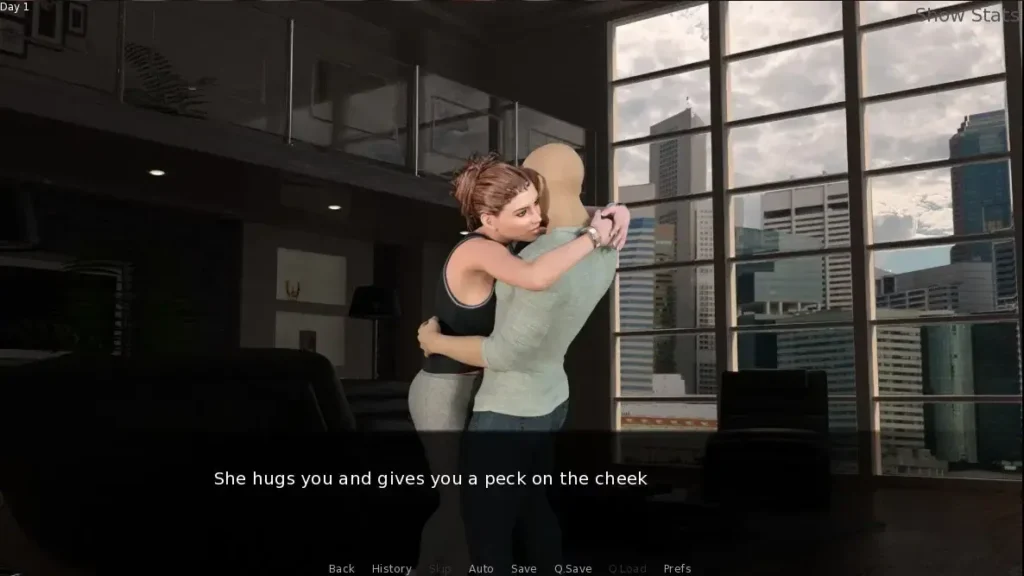

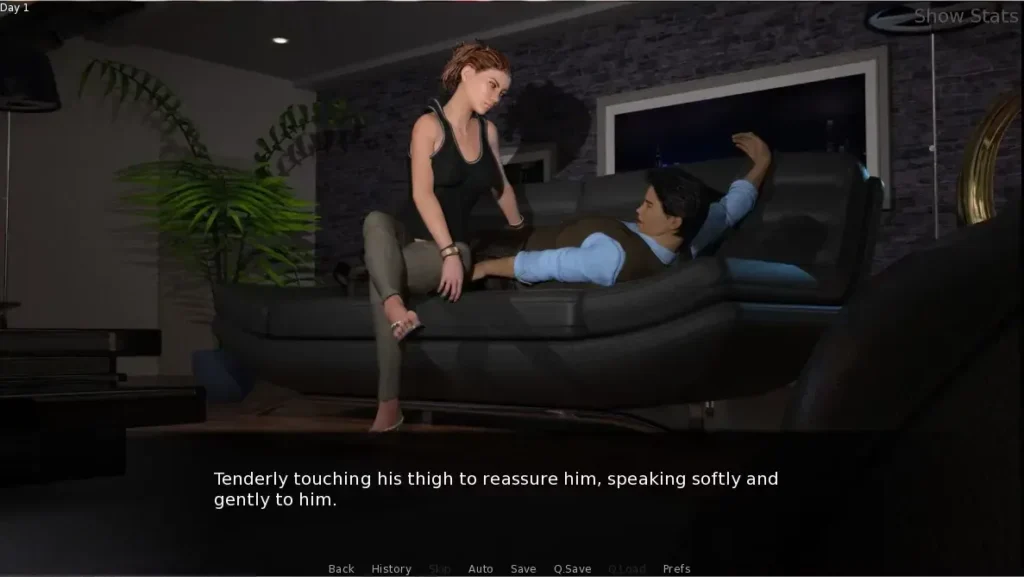
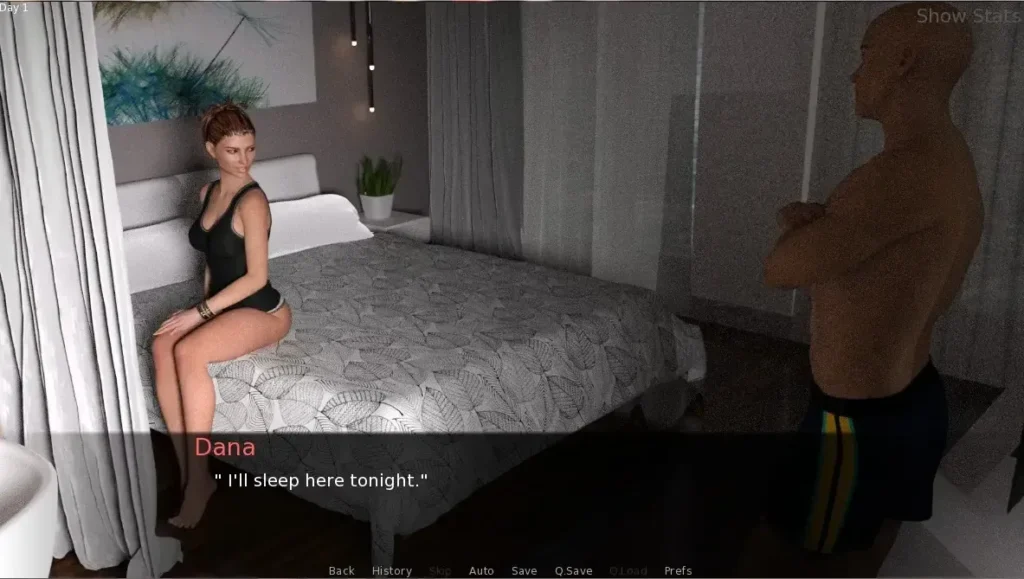
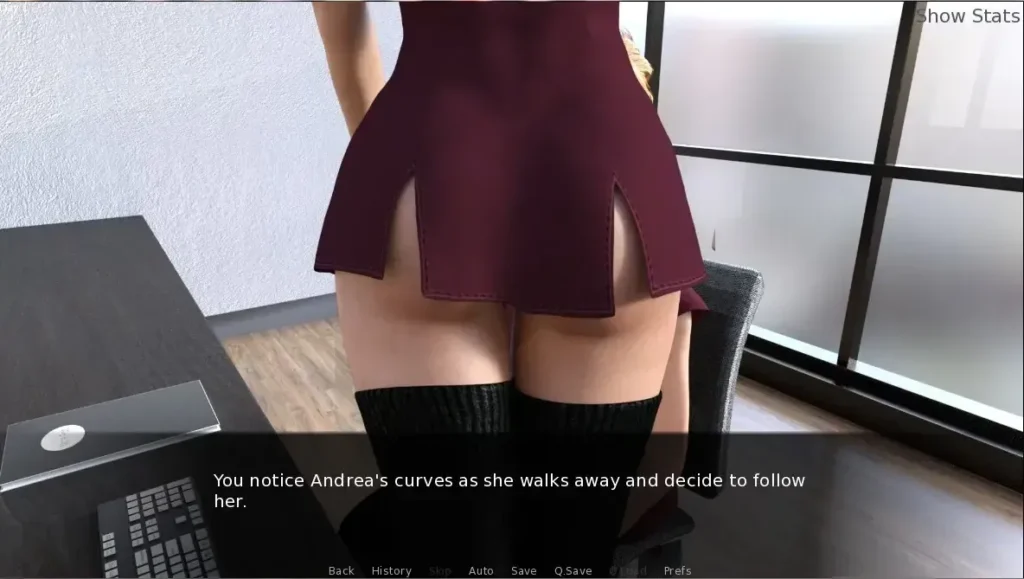
Dreaming of Dana review
Master every character route, unlock all scenes, and maximize affection points
Dreaming of Dana is a complex dating simulation game that requires strategic decision-making to unlock different character routes and intimate scenes. With multiple characters, affection systems, and branching storylines, navigating the game can be overwhelming without proper guidance. This comprehensive guide covers essential mechanics, character relationship paths, scene unlocking strategies, and optimization tips to help you experience everything the game has to offer. Whether you’re pursuing specific character endings or trying to maximize your gameplay experience, understanding the core systems will significantly enhance your enjoyment and success.
Understanding Game Mechanics and Character Systems
So, you’ve started playing Dreaming of Dana, picked a few dialogue options, and… nothing seems to happen? 🎮 You might be chatting with Dana, trying to be charming, but that elusive weekend date just won’t unlock. I’ve been there. On my first playthrough, I thought I was being the perfect guardian, only to find myself stuck in a friend-zone loop with every character. 😅 It was frustrating! The secret, I learned, isn’t about being nice—it’s about understanding the game’s hidden language of points and pathways.
Mastering Dreaming of Dana affection points and the broader character relationship system is the absolute key to unlocking everything the game has to offer. Think of it like this: every choice is a deposit into a hidden emotional bank account for each character. This chapter is your blueprint to that vault. We’ll break down exactly how dating simulation game mechanics like affection, sexuality points, and decision trees work together to control your game progression unlocking. Let’s turn that confusion into your strategic advantage. 🧠
How Affection and Relationship Points Work
At its heart, Dreaming of Dana runs on two primary currencies: Affection Points and Sexuality Points. These aren’t just numbers that go up; they’re the direct drivers of the narrative, determining which doors open and which remain forever locked.
Affection Points are the foundation of every relationship. They represent trust, emotional closeness, and genuine bonding. Choosing supportive dialogue, remembering personal details, and being reliably kind are classic ways to earn these. For instance, choosing “Be a good daddy” in a key moment with Dana might net you a whopping +15 affection. High affection levels are mandatory for unlocking deeper conversations, personal confidences, and, crucially, the chance to invite characters on weekend dates. It’s the gateway to every character’s route.
Sexuality Points, on the other hand, measure romantic and physical tension. They are more subtle and often riskier to earn. Actions like the playful “Take a peek” option can give you +2 sexuality. These points are essential for transitioning a relationship from platonic to romantic. However, raising them too quickly without a solid base of affection can backfire, making characters uncomfortable and halting progression. It’s a delicate balance—affection builds the house, and sexuality points furnish it. 🛋️
But here’s the personal insight most guides miss: these points aren’t tracked in isolation. The game’s character relationship system evaluates them in tandem. Think of Andrea, for example. Purely flirty choices might get you a smirk, but without the foundational affection from helping her with her goals, you’ll never see her vulnerable side. I learned this the hard way, creating a caricature instead of a connection. The game is constantly asking, “What is the nature of this relationship?” Your balance of points provides the answer.
To visualize how your choices translate, here’s a breakdown of common actions and their impacts:
| Character | Example Action / Dialogue Choice | Affection Points | Sexuality Points | Relationship Impact |
|---|---|---|---|---|
| Dana | “Be a good daddy” (Supportive) | +15 | 0 | Strengthens guardian bond, unlocks comforting scenes. |
| Dana | “Take a peek” (Playful/Flirty) | 0 | +2 | Increases romantic tension; requires existing affection to not fail. |
| Andrea | Encourage her ambitions | +10 | 0 | Builds respect and deep friendship, key for her route. |
| Andrea | Tease her lightly | +5 | +1 | Builds a fun, budding romantic connection. |
| Various | Remember a key personal detail | +5 to +10 | 0 | Shows you care, critical for hidden checks later. |
| Various | Be dismissive or ignore their problem | -5 to -10 | -2 | Can permanently close off routes or lead to negative endings. |
Character Interaction Mechanics and Decision Trees
Now that we know what points are, let’s talk about how you actually earn them. This is where the magic of decision tree gameplay comes alive. Every conversation in Dreaming of Dana is a branch on a vast, invisible tree. Your early choices don’t just add points; they determine which future branches you can even see. 🌳
Unlike linear stories, this dating simulation game mechanics design means there is no single “right” answer, only answers that are right for the path you’re on. An option that yields huge points with Dana might be neutral or even negative with another character listening in the background. The game is always watching. For instance, dedicating all your time to one character might mean missing a random event with another that offered a unique, point-rich interaction. I once missed a crucial beach event with a side character because I was too focused on a main story choice, and it completely altered my available options in the final act.
These random events are the spice of the game progression unlocking system. They can be spontaneous encounters, phone messages, or overheard conversations. They often present unscripted opportunities for point gains or losses. My advice? Save often, especially at the start of a new day or location. If a random event pops up, you can sometimes reload and adjust your prior actions to influence it. It’s not cheating; it’s understanding the systemic nature of the game!
Practically, you need to approach each interaction strategically:
* Focus Early On: Pick one or two characters to focus your affection on initially. Spreading points too thin is the most common reason for failing to unlock a weekend date.
* Listen Actively: Dialogue often hints at what a character needs. Are they seeking comfort (affection) or excitement (sexuality)?
* Track Mentally or Physically: Keep a notepad or simple spreadsheet. Jot down major choices and their visible outcomes. You’ll start to see patterns—this character loves playful teasing, that one prefers direct honesty. This is the core of mastering the character relationship system.
Weekend Dates and Progression Requirements
This is the moment everything builds toward: the weekend date. 🗓️ Unlocking these is the definitive sign you’re on a successful character route. They are the gateway to the most intimate scenes, pivotal story reveals, and ultimately, the game’s endings.
The weekend dates unlock requirements are a direct function of your point totals. There’s a hidden threshold of both affection and, for romantic routes, sexuality points that must be met by the end of the week. It’s not enough to have one high; you need the correct balance. When you meet these secret criteria, the game will notify you—the skip weekend button will appear at the top of your screen. This is your green light! If that button isn’t there by Friday evening, you haven’t met the requirements for that week.
Each character has unique thresholds. Dana might require a high level of protective affection with a touch of sexuality, while another character might need a more balanced, even split. Furthermore, your decision tree gameplay from earlier in the week dictates which weekend date is available. Did you agree to help Andrea with her project on Tuesday? That might unlock a “Study Date” option. Did you instead promise to go shopping with Dana? That leads to a completely different scene.
To systematically conquer these weekend dates unlock requirements, follow this actionable checklist:
- Set Your Route Goal Early: Before you even start a playthrough, decide which character’s route you are pursuing. Your primary dialogue and activity choices should favor them.
- Hit Daily Interactions: Never miss a chance to talk to your target character. Even small, +2 affection choices add up significantly over a week.
- Pass the Mid-Week Check: Often, there’s a key scene around Wednesday or Thursday that acts as a soft lock. If the conversation feels flat or options are missing, you’re likely behind on points. Consider reloading.
- Monitor the Skip Button: Keep an eye on the top of your screen as Friday progresses. The button’s appearance is your confirmation.
- Save Before the Weekend: Always create a separate save file right before the weekend date. This allows you to experience different date choices or revert if you discover you’re on the wrong path.
Remember, the game progression unlocking is cumulative. Successfully completing a weekend date in Week 2 sets a new, higher point threshold for Week 3. The game constantly raises the stakes, requiring deeper commitment and more precise choices. It’s a brilliant reflection of how real relationships develop—requiring more investment to reach the next level of intimacy.
Mastering these systems—the ebb and flow of Dreaming of Dana affection points, the strategic dance of the sexuality points guide, and the careful navigation of decision tree gameplay—is what transforms you from a passive player into the author of your own story. It turns random clicks into purposeful storytelling. So take these insights, plan your approach, and get ready to unlock every scene your heart desires. Your perfect playthrough is waiting. ✨
Dreaming of Dana offers a rich simulation experience with multiple character routes, branching narratives, and interconnected relationship systems. Success in the game depends on understanding how affection points, sexuality metrics, and dialogue choices create cascading consequences throughout your playthrough. By mastering the core mechanics covered in this guide—from weekend date unlocking to character-specific decision trees—you can strategically pursue your desired endings and unlock the full range of content the game provides. Whether you’re aiming for specific character relationships, exploring different narrative branches, or maximizing scene variety, the key is planning your character interactions early and understanding how each decision impacts your available options. Take time to experiment with different approaches, track your affection levels carefully, and don’t hesitate to reference this guide when facing critical decision points. Your gameplay experience will be significantly enhanced by approaching the game with strategic intention rather than random choices.