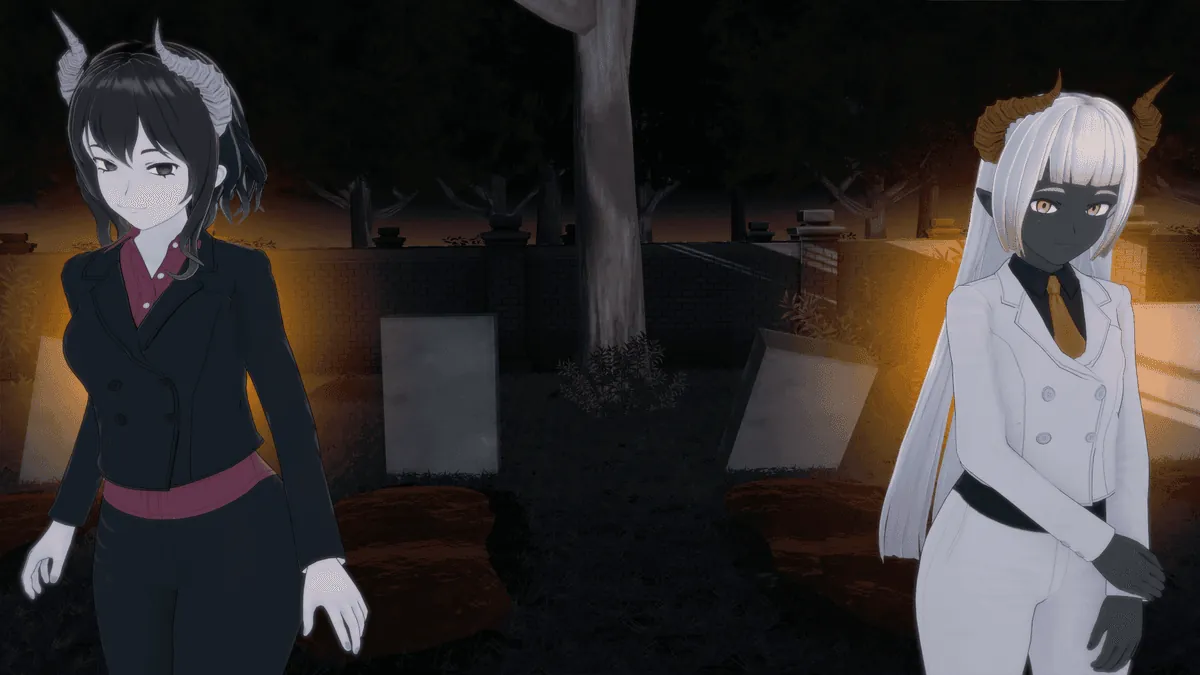
Demons of the Hearth
Play Demons of the Hearth
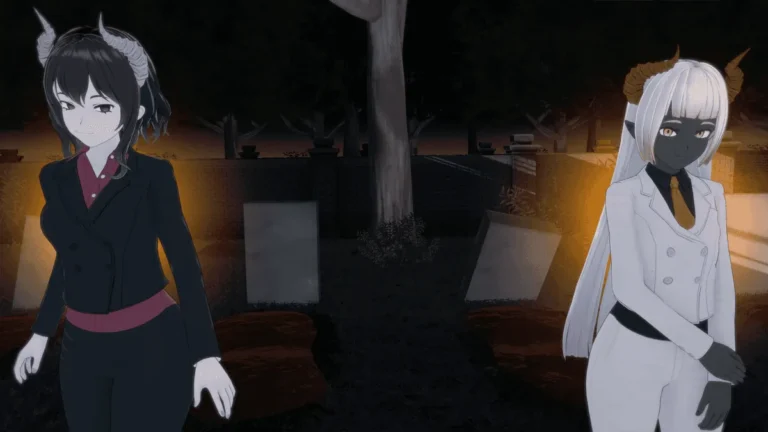
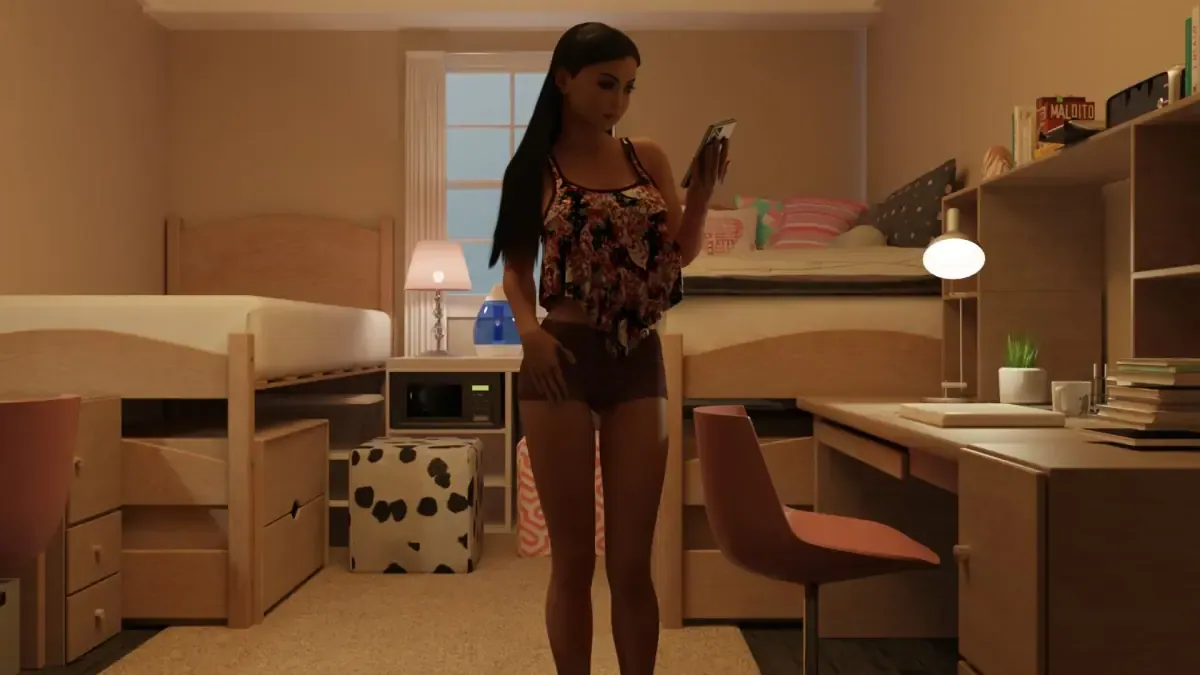
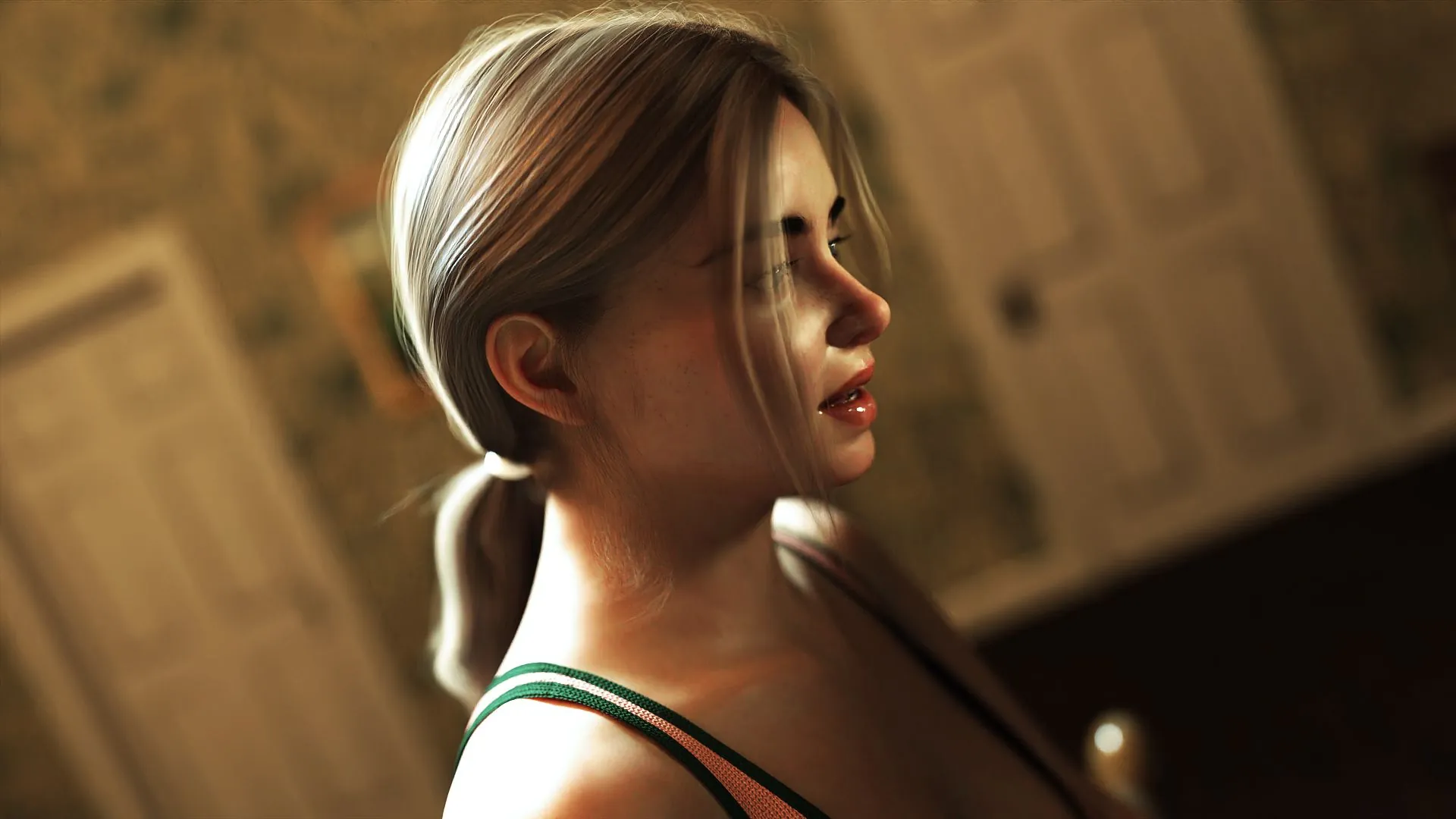
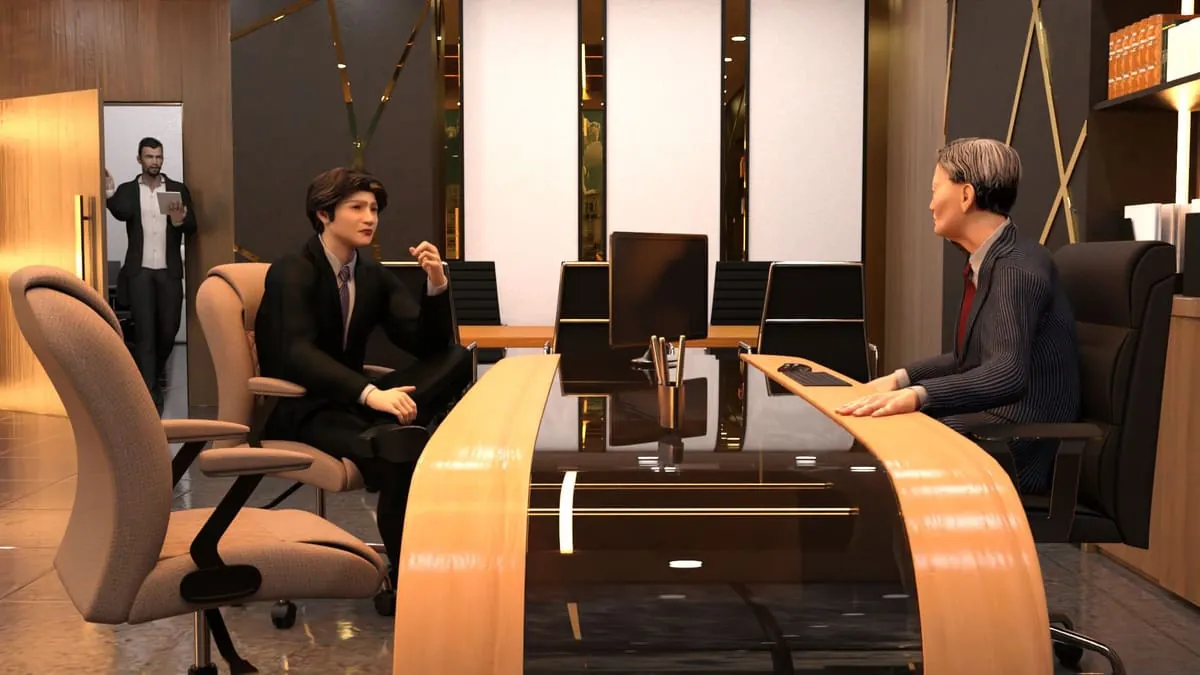
Demons of the Hearth Screenshots
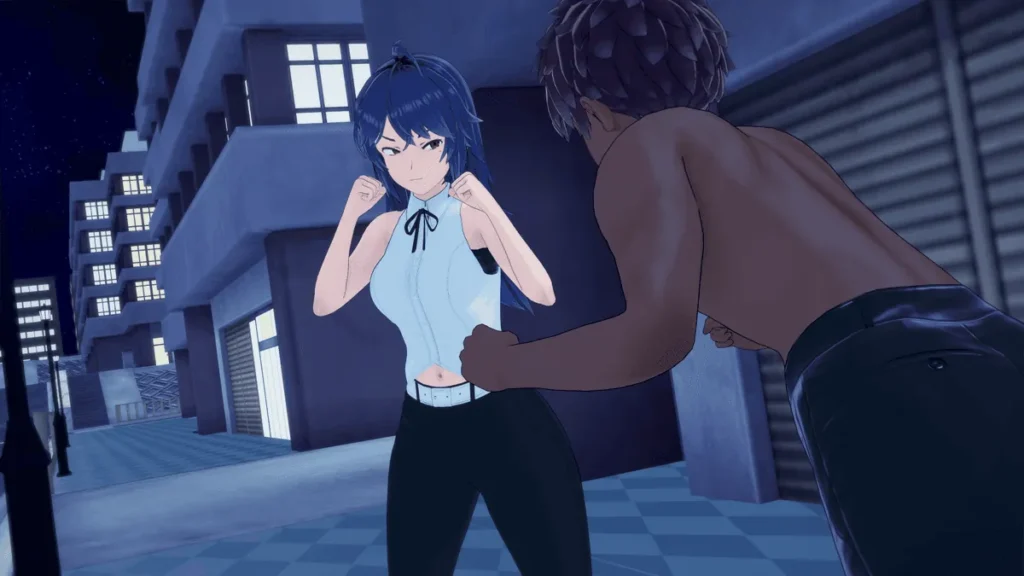
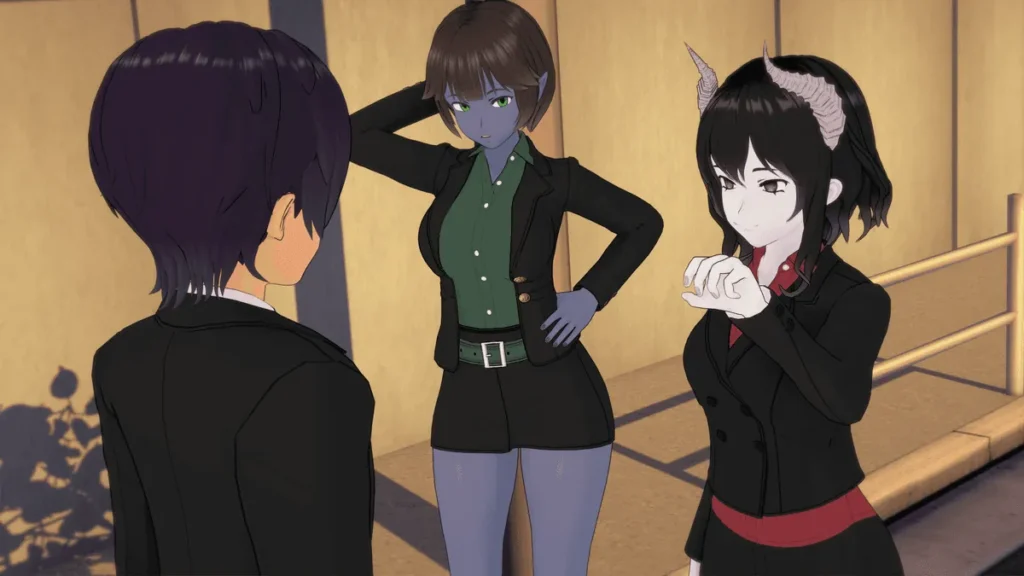
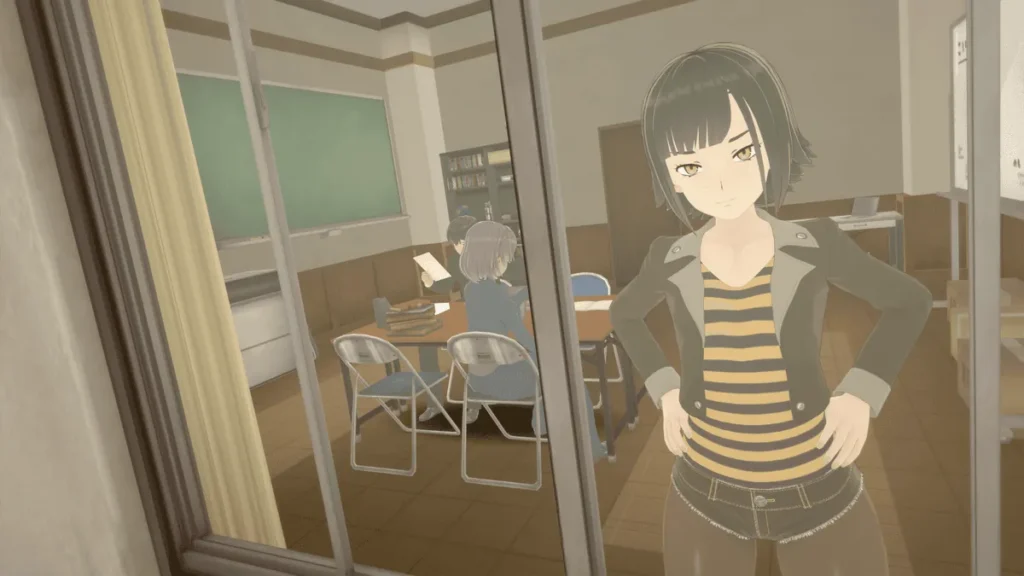


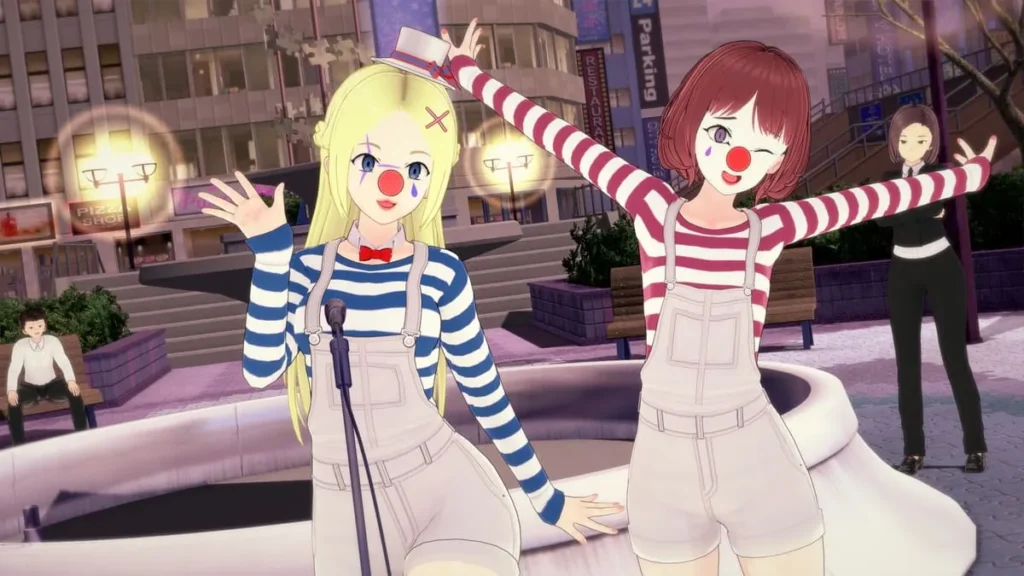
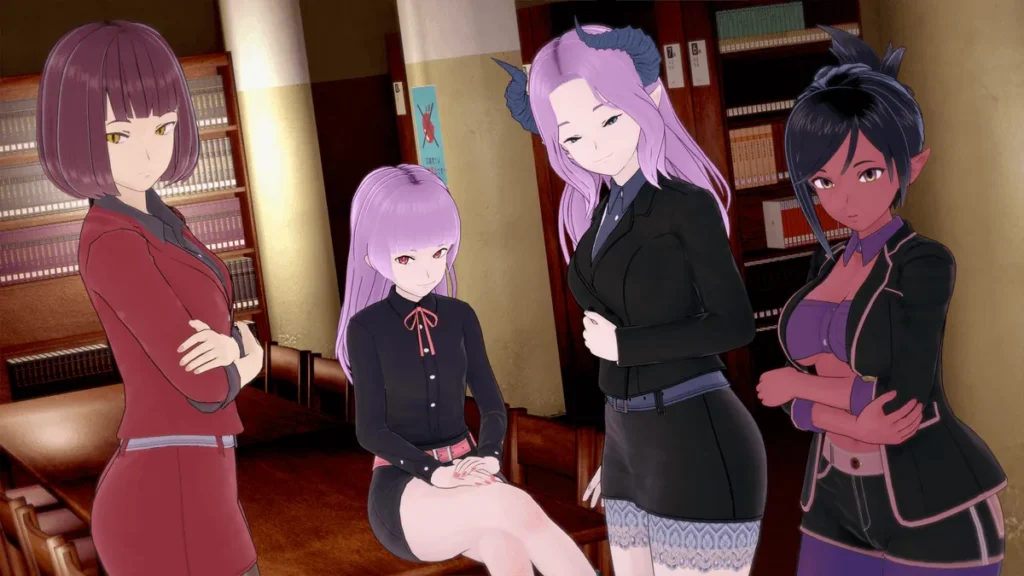
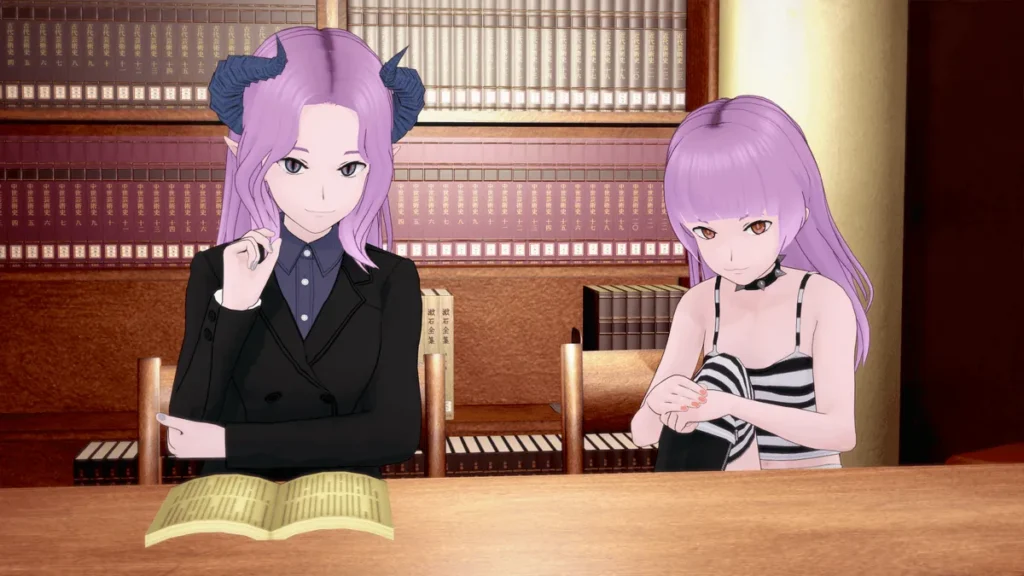
Demons of the Hearth review
Exploring the Story, Characters, and Gameplay of Demons of the Hearth
Demons of the Hearth is a captivating visual novel that blends rich storytelling with immersive character development. This game stands out for its engaging narrative, diverse cast, and unique gameplay elements that keep players hooked. Whether you’re curious about the story arcs, character interactions, or gameplay style, this article will guide you through everything you need to know about Demons of the Hearth.
Understanding the Story and Setting of Demons of the Hearth
Let me tell you about the night I first played Demons of the Hearth. It was late, the house was quiet, and I figured I’d just check out the opening hour. Big mistake. 😅 Two hours later, I was completely immersed, my heart racing at every creak in my own home. That’s the power of a masterfully told visual novel thriller—it doesn’t just show you a story; it makes you live inside its tension.
So, what is it about this game’s tale that grabs you and doesn’t let go? Let’s pull back the curtain and explore the haunting world at its core.
What is the Core Narrative? 🕯️
At its heart, the Demons of the Hearth story is a profound exploration of legacy, guilt, and the ghosts we choose to live with—both metaphorical and terrifyingly literal. You step into the worn shoes of a protagonist returning to a decaying family estate, the “Hearth” of the title, after receiving a cryptic and worrying letter. You’re not just there for a visit; you’re there to uncover the truth behind a series of unsettling family tragedies that stretch back generations.
The genius of this supernatural narrative is how it intertwines the otherworldly with the deeply personal. Yes, there are things that go bump in the night—shadows that move wrong, whispers from empty rooms, and chilling manifestations. But these supernatural elements are directly tied to the unresolved trauma, secrets, and bitter regrets of the family. The game story depth comes from the realization that you’re not just battling poltergeists; you’re confronting a legacy of silence, broken promises, and moral failures.
This isn’t a story about saving the world from a demonic invasion. It’s about saving a family, and perhaps yourself, from the past. The choices you make in dialogue and exploration don’t just change which ending you get; they fundamentally alter your understanding of the characters and their motivations. It’s a character-driven story where every revelation about the past reshapes your relationships in the present.
How Does the Setting Influence the Game? 🏚️
If the characters are the soul of Demons of the Hearth, then the setting is its brooding, oppressive heart. The Demons of the Hearth setting is arguably the most important character in the entire experience. The ancestral home isn’t just a backdrop; it’s a living, breathing prison of memories.
The developers have meticulously crafted an atmosphere where every detail tells a story:
* The Flickering Lights: They don’t just create a spooky vibe; they symbolize the fragile grasp the family has on the truth, constantly threatening to plunge you into darkness.
* The Cluttered Rooms: Overflowing with heirlooms, old photographs, and forgotten diaries, they aren’t just set dressing. They are the game’s primary storytelling mechanic. Piecing together the family history through these environmental clues is a constant, rewarding puzzle.
* The Evolving Architecture: As the story progresses and the supernatural forces grow stronger, the house itself seems to shift and change. Corridors you once knew lead to new, unsettling places, visually representing how the past is distorting the present.
This visual novel thriller uses its setting to masterfully control pace and tension. The quiet, investigative moments in a dusty study feel safe, lulling you into a false sense of security. Then, you’ll turn a corner into a wing of the house you’ve avoided, and the music will drop, the visuals will dim, and you’re immediately on edge. The Demons of the Hearth setting is a masterclass in environmental storytelling, proving that fear is often most potent in the familiar spaces that have turned against you.
| Horror Element | How *Demons of the Hearth* Uses It | Impact on Player |
|---|---|---|
| The Haunted House | Not just haunted by ghosts, but by the memories and secrets of its inhabitants. | Creates a deep, psychological connection to the environment; fear is personal, not random. |
| Jump Scares | Used sparingly and almost always preceded by narrative build-up or a player choice. | Scares feel earned and story-relevant, not cheap, greatly enhancing the **supernatural narrative**. |
| Sound Design | Subtle cues like distant crying, floorboards groaning in an empty room, or a sudden silence. | Builds relentless atmospheric tension, making the player perpetually uneasy and engaged. |
What Makes the Story Unique? ✨
In a genre filled with fantastical plots, what sets the Demons of the Hearth story apart? It’s the unwavering commitment to human drama at the center of the supernatural storm. Many thrillers use ghosts as the primary antagonist. Here, the demons are a symptom, not the cause. The true conflict is between people—their lies, their love, their failures, and their desperate need for forgiveness.
This focus creates unparalleled emotional engagement in games. You’re not just clicking through text to see a spooky picture. You’re making difficult choices: Do you confront a relative with a painful truth you’ve uncovered, potentially breaking them, but maybe beginning their healing? Or do you hide it to maintain a fragile peace, allowing the real “demon” of that secret to continue festering? There are no purely “good” or “bad” paths, only heartbreakingly human ones.
The character-driven story ensures that every supernatural event has a human cost. The ghost isn’t just there to scare you; it’s there because someone failed it in life. Understanding that connection—unraveling the “why” behind the haunting—is the core gameplay loop, and it’s incredibly satisfying.
Example: One of the most powerful moments for me came mid-game. After hours of investigating, I uncovered that a particularly malevolent spirit was not a random evil entity, but the manifestation of a child’s profound loneliness and betrayal, a direct result of a selfish adult choice decades prior. In that instant, the fear I felt transformed into a devastating pity. The game didn’t ask me to “destroy” the spirit, but to find a way to acknowledge its pain and finally lay it to rest. This moment of narrative clarity, where terror and tragedy collide, is where Demons of the Hearth achieves its remarkable game story depth. It forces you to empathize with the monster, blurring the lines entirely.
Ultimately, Demons of the Hearth succeeds because it understands that the most terrifying hauntings are not about things that go bump in the night, but about the silence that follows—the things we leave unsaid and the wounds we leave unhealed. It’s a visual novel thriller that will scare you, sure, but it might also leave you reflecting on your own hearth, and what stories its walls might hold. 🏠💔
Demons of the Hearth offers a compelling blend of storytelling, character depth, and interactive gameplay that sets it apart in the visual novel genre. Its rich narrative and dynamic relationships create an engaging experience for players who appreciate emotional and immersive games. Whether you’re drawn to the story, characters, or gameplay mechanics, this game promises a memorable journey. Dive in and explore the world of Demons of the Hearth to uncover its many layers.